


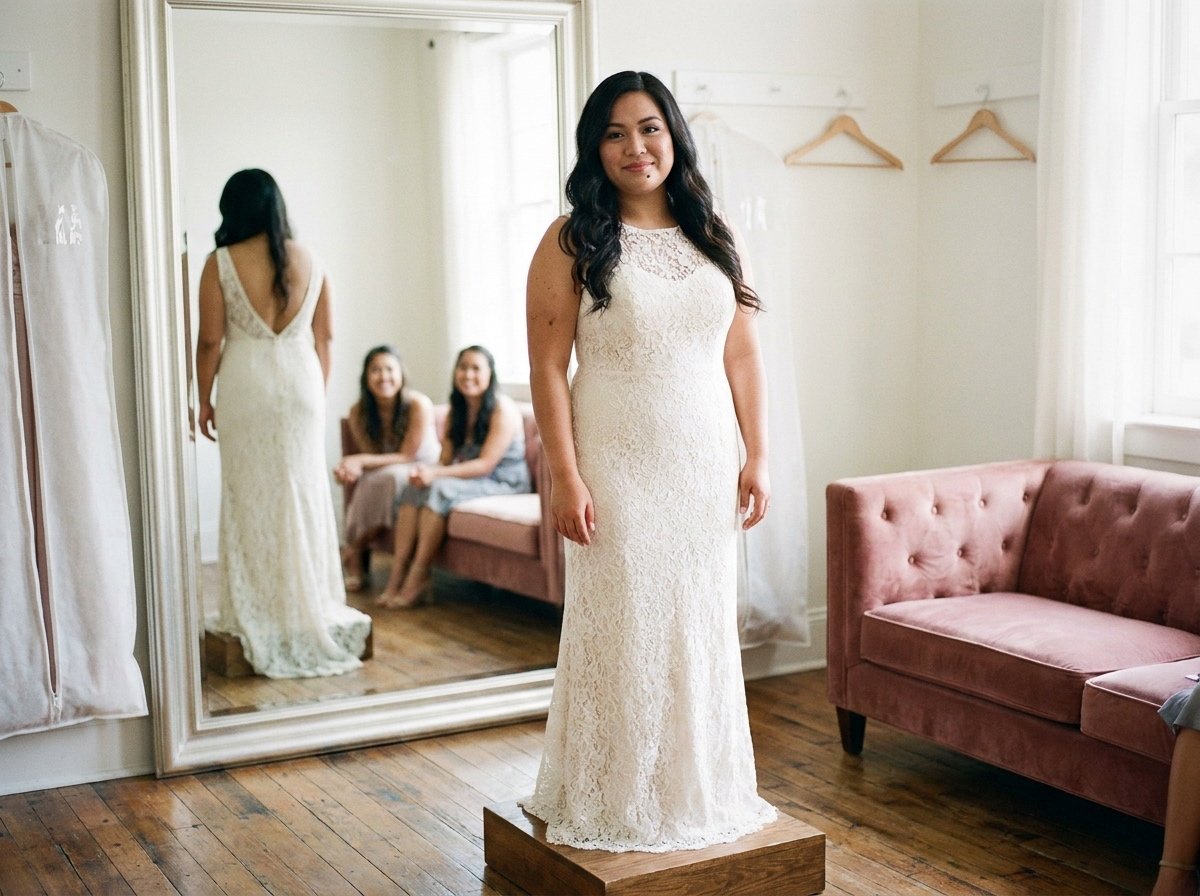
The bride I think about most when this question comes up chose her gown in eleven minutes. She had done her homework at the kitchen table: venue, season, budget, three things she would not give up. She walked into the salon, tried four dresses, sat down in the third one and asked the consultant to bring her a glass of water so she could see how it moved when she drank it. That was the one.
After thirty years of planning weddings, I can tell you the brides who struggle are rarely the ones with difficult taste. They are the ones who shop in the wrong order. Here is the order that works, in twenty-two steps, from before you book an appointment to the day you pick the dress up.
Before the salon (steps 1 to 10)
1. Lock the venue, date and season first
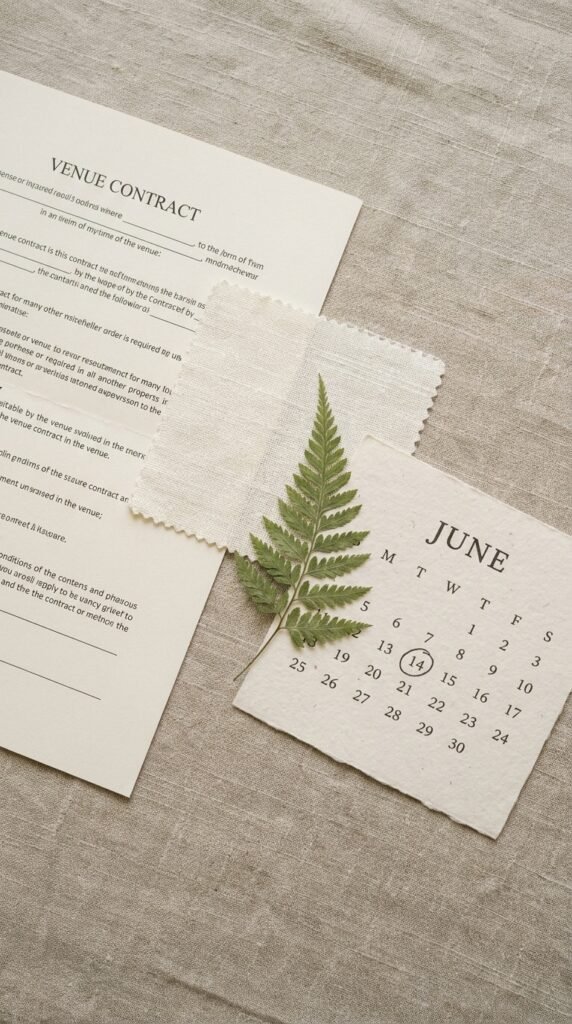
Your setting decides how formal the dress should be, and that decides the fabric and the train. Kleinfeld tells brides to wait until the venue is set before they shop. A barn in August and a cathedral in January need very different gowns, so settle those two things before you look at a single dress.
2. Set an all-in budget and say it out loud
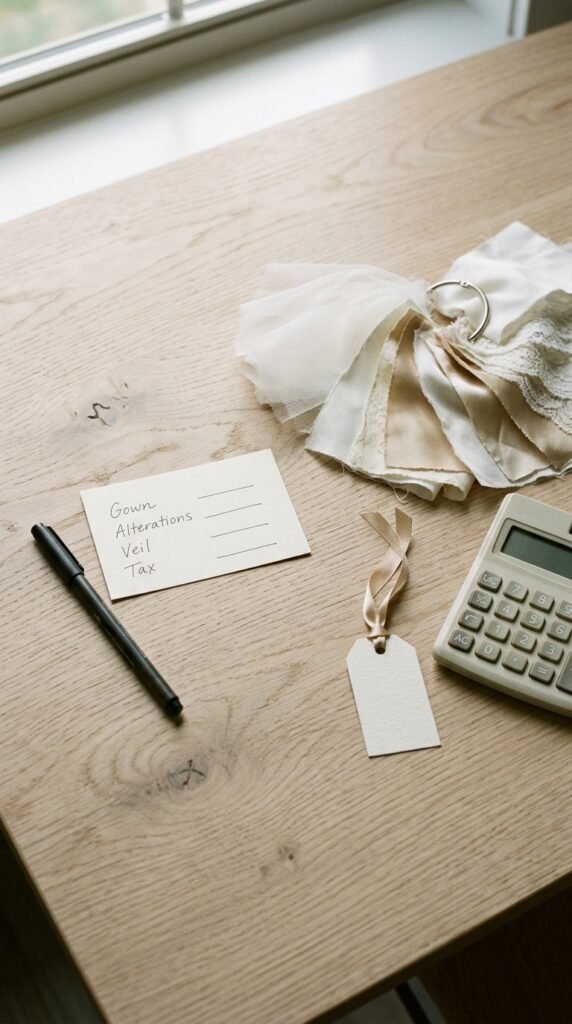
The average wedding dress cost about $2,100 in The Knot’s 2026 study. Alterations usually add $300 to $1,000, roughly 10 to 20 percent of the gown, so a realistic total sits closer to $2,400 to $3,100 before the veil and shoes. Tell the consultant that full number at the start. If it feels tight, ask about floor samples, trunk-show discounts and pre-owned gowns, which start from about $500.
3. Count back from the wedding date
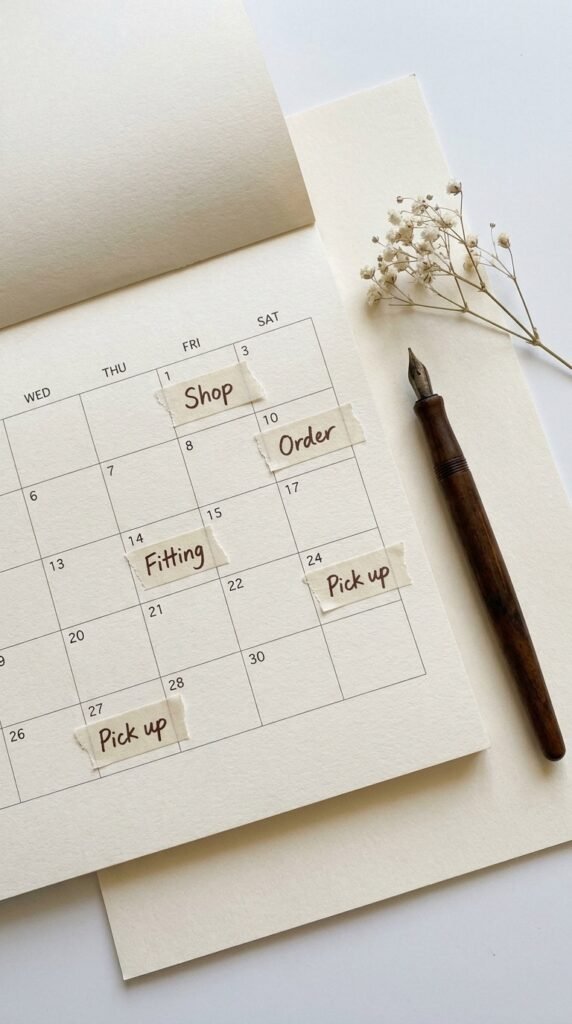
Start shopping around twelve months out, or up to eighteen if you want a designer gown. Order at nine to twelve months, because most gowns are made to order, shipped and then altered. Rush fees usually start when you order five months or less before the wedding. If you’re getting married in June 2027, you’re already in the ordering window.
4. Build a short visual brief
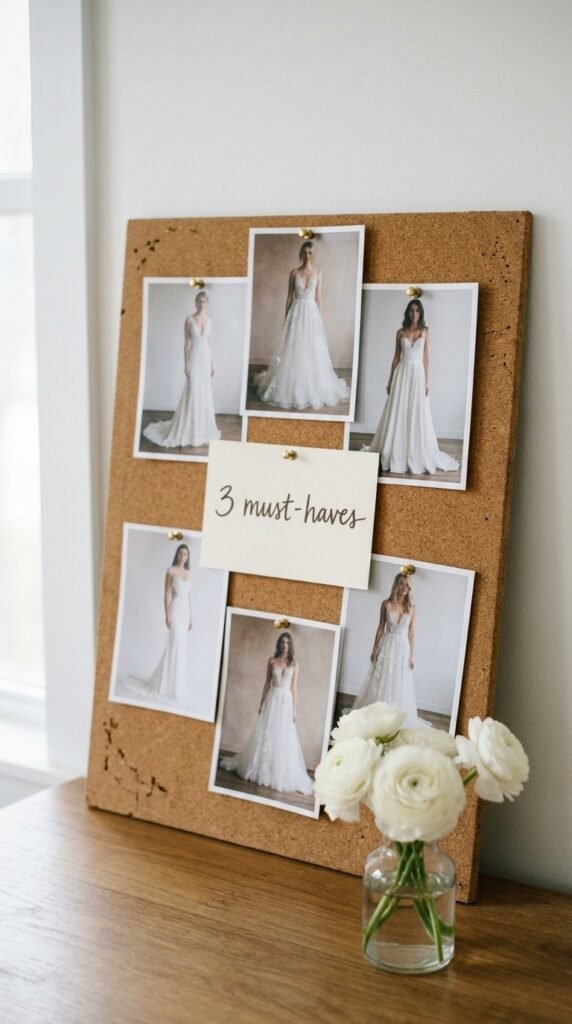
Save photos of dresses you love and a few you don’t. Then write down three things you won’t give up and one detail you want people to notice, whether that’s sleeves, a bow or a beautiful back. Bring the list to every appointment.
5. Learn the silhouettes by what they do
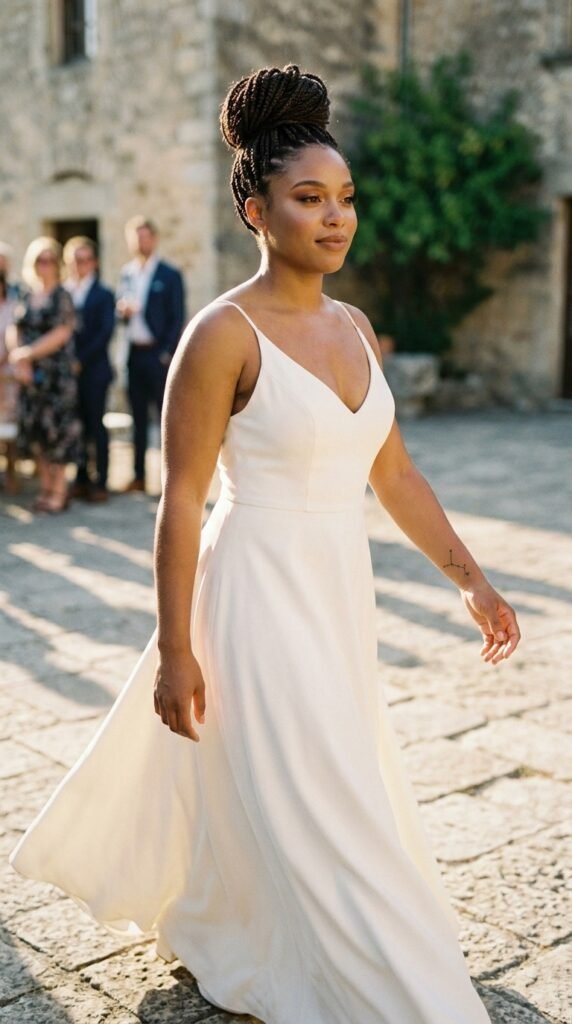
An A-line fits through the bodice and opens gently from the waist, and it suits almost every body and venue. A ballgown is full from the waist and made for grand rooms. A sheath follows the body lightly and lets your veil and jewellery lead. A trumpet flares from mid-thigh and moves more freely than a mermaid. If you are curvy, my plus-size wedding dresses for every shape shows these shapes on real bodies.
6. Match the fabric to the season and venue
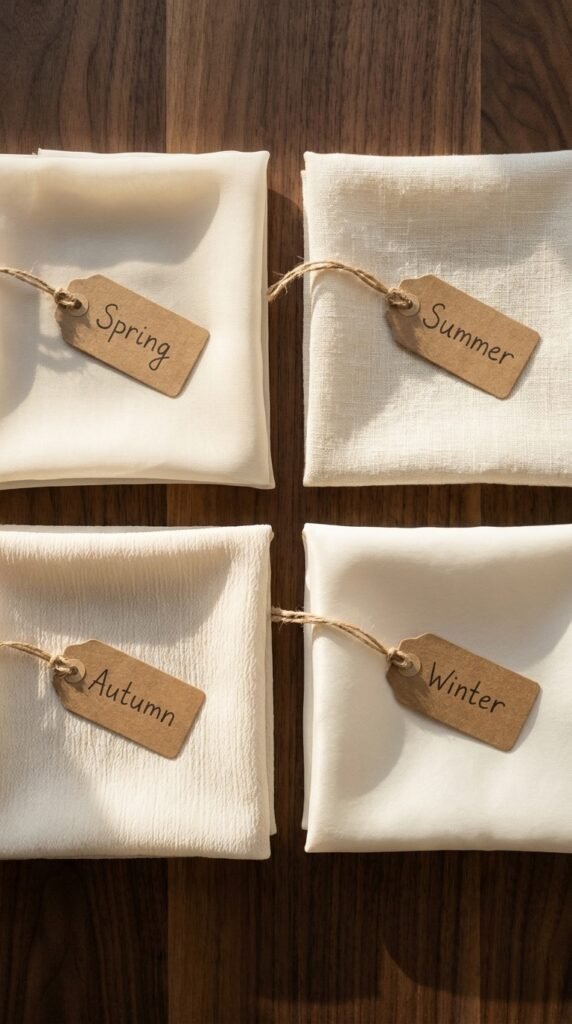
Pronovias gives a simple map. Lace and chiffon suit spring. Silk, chiffon, cotton and linen suit summer gardens and beaches. Satin and crepe suit autumn, and mikado and taffeta suit winter. For outdoor summer weddings, my boho wedding dresses are full of light fabrics.
7. Choose a shade with your skin and the camera in mind
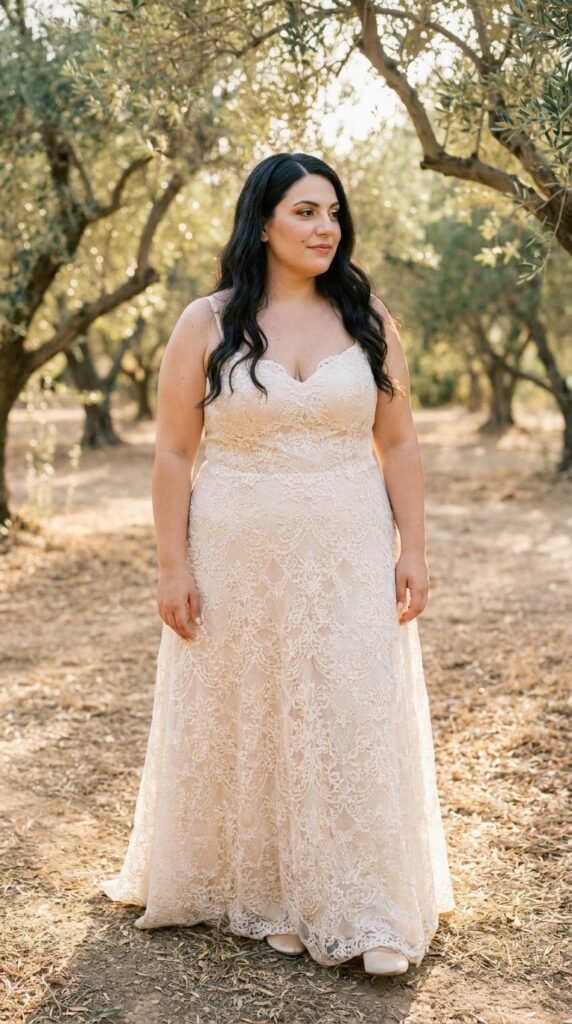
Pure white is the hardest bridal colour to photograph, and fine lace on white can almost disappear in bright sun. Ivory, champagne and ecru hold detail better. Hold each shade up to your face in daylight, and choose a veil in the same shade as the dress.
8. Pick a train for the aisle and the dance floor
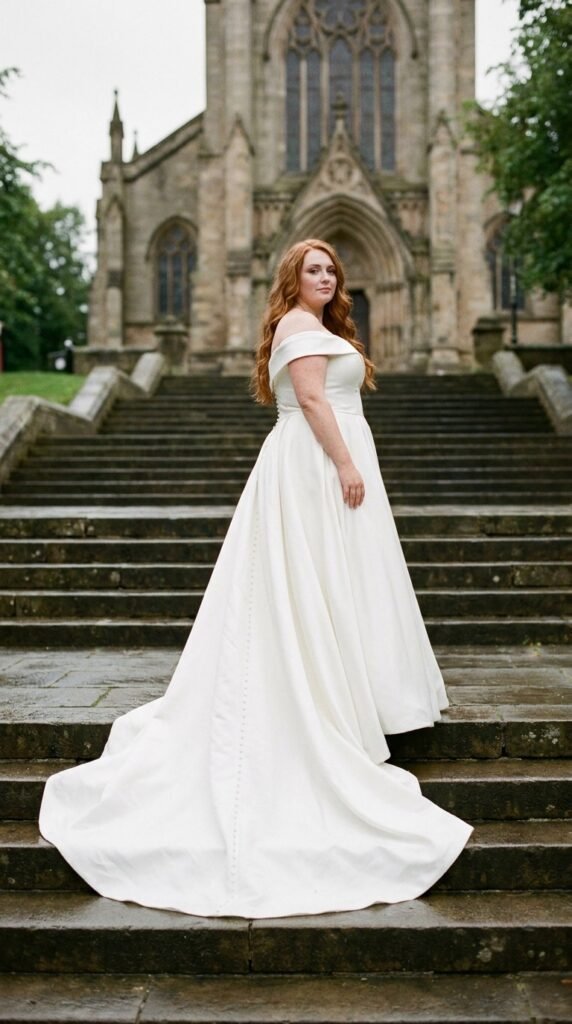
A sweep train barely touches the floor and needs no bustle. A chapel train runs three to four and a half feet, and a cathedral train six to seven and a half. Any train that doesn’t detach needs a bustle for the reception, which costs about $75 to $400. For a destination wedding, go lighter than you think; heavy volume is a regret I hear from brides who travelled.
9. Shortlist the 2027 shapes that will last
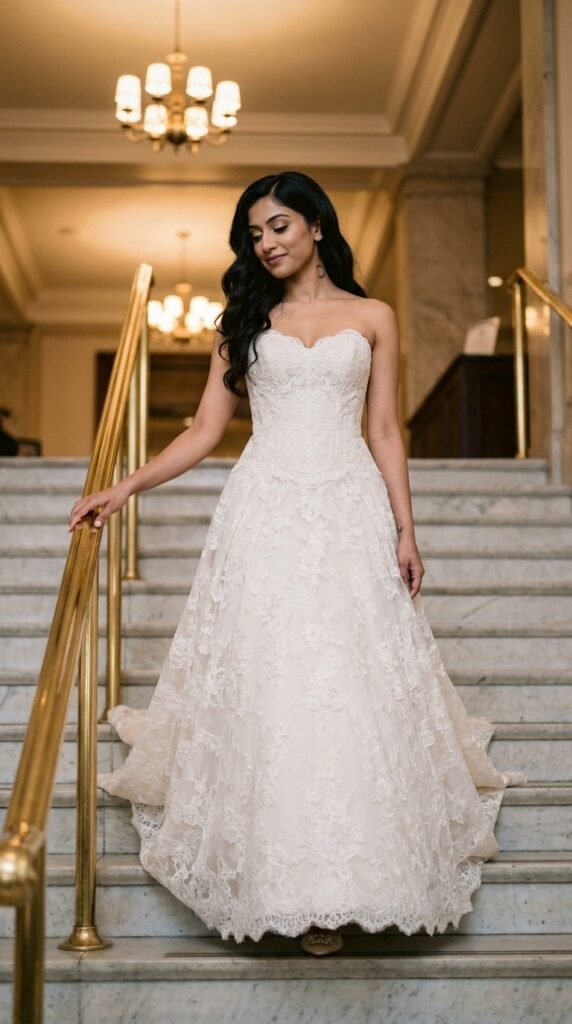
The early reports from the October 2026 bridal shows repeat what spring 2027 already set out: bows, basque and drop waists, visible corsetry, draping, lace and clean nineties lines. Vogue calls lace the wedding fabric of 2027, and The Knot expects these shapes to stay in salons into 2028. For a pared-back version, my simple wedding dresses guide fits right in.
10. Put trend details on pieces you can take off
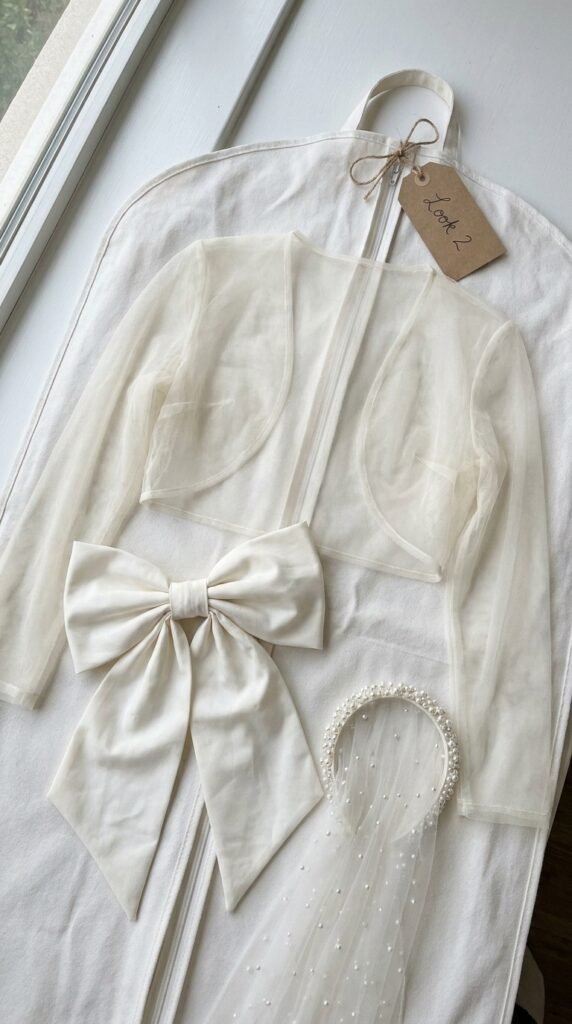
Editors call peplums less lasting than drop waists, and viral details date quickest. Keep the gown itself classic and add the trend on top with a cape, a bolero, a detachable bow or an overskirt. Pinterest searches for capes and boleros rose 270 percent this year. Taking a layer off for the reception also gives you a second look, and my wedding reception dresses guide has more ideas if you want a full change.
At the appointment (steps 11 to 18)
11. Book smart appointments

Most appointments last an hour. Saturdays are the busiest, so book a weekday if you can, and plan no more than two or three in one day. Call ahead to check the salon has samples in your style and price range, and ask about any appointment fee.
12. Bring two or three people, and keep it your dress
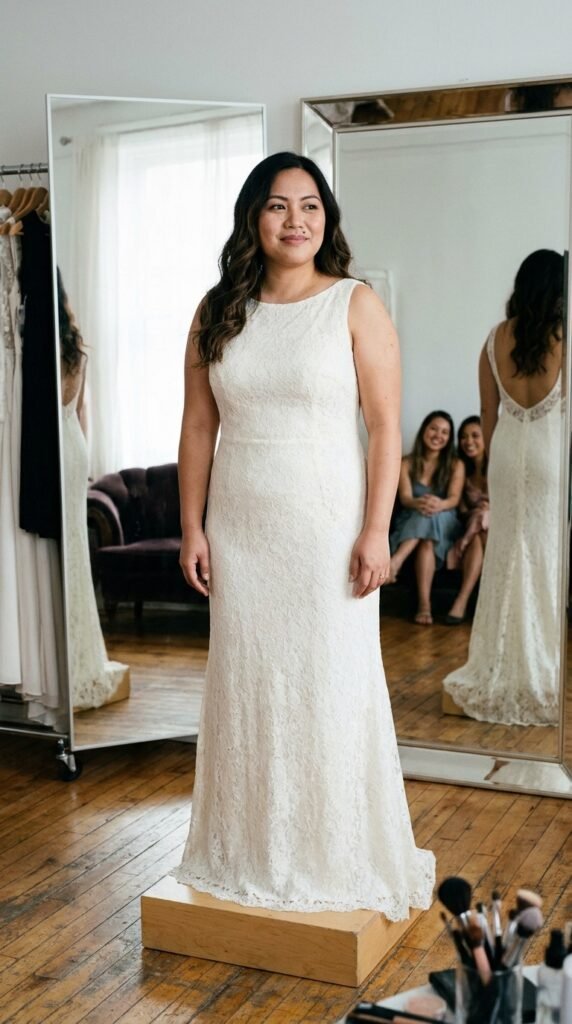
The average bride visits two shops and tries about seven dresses. Bring two or three people whose taste you trust. The regret I hear most often is a bride who chose the dress her mother loved and never felt attached to it, so decide before you go whose opinion counts most. It should be yours.
13. Pack the appointment bag
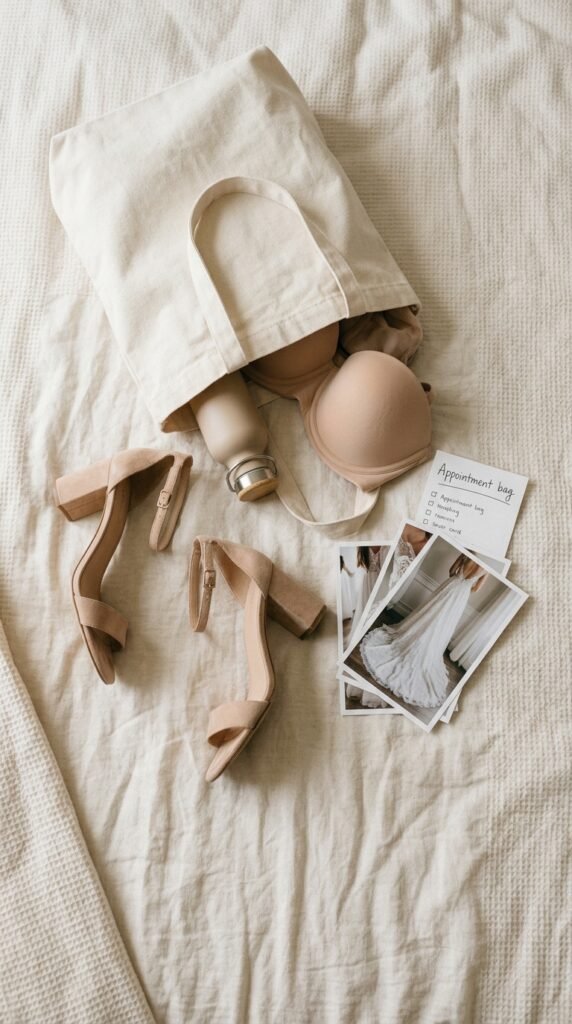
Bring heels close to your wedding height, nude seamless underwear and a strapless bra. Wear light makeup and skip fake tan, which can mark the samples. Eat before you go. If you’ll wear shapewear on the day, bring it; my guide to shapewear for wedding dresses can help you choose.
14. Ignore the size on the tag
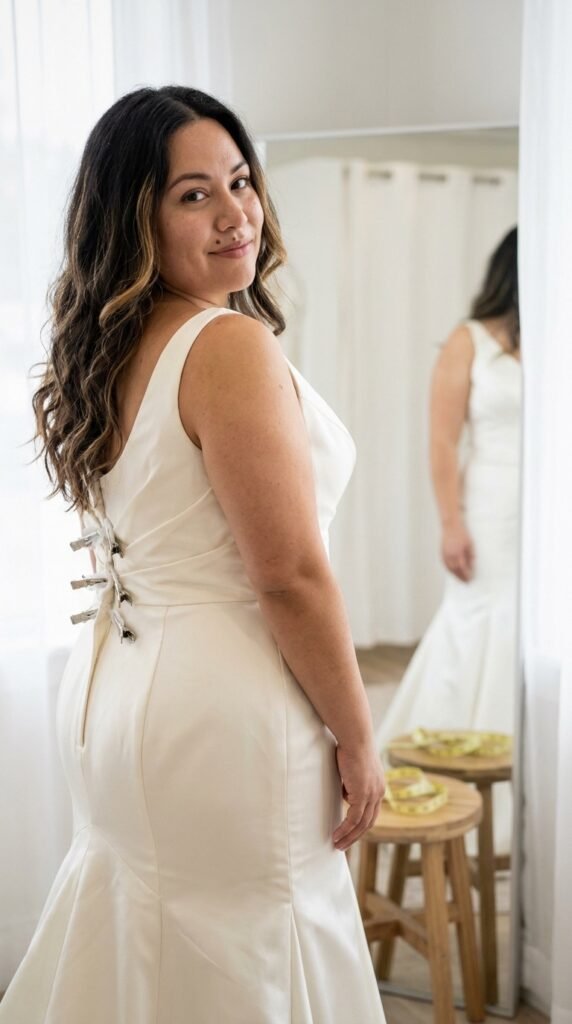
Bridal sizes run small, often about two sizes below your everyday size. Samples usually come in sizes 8 to 12 or 18 to 20 and are clipped to fit you. The salon will order to your largest measurement and tailor the rest, so let the number go.
15. Try a range beyond your wish list
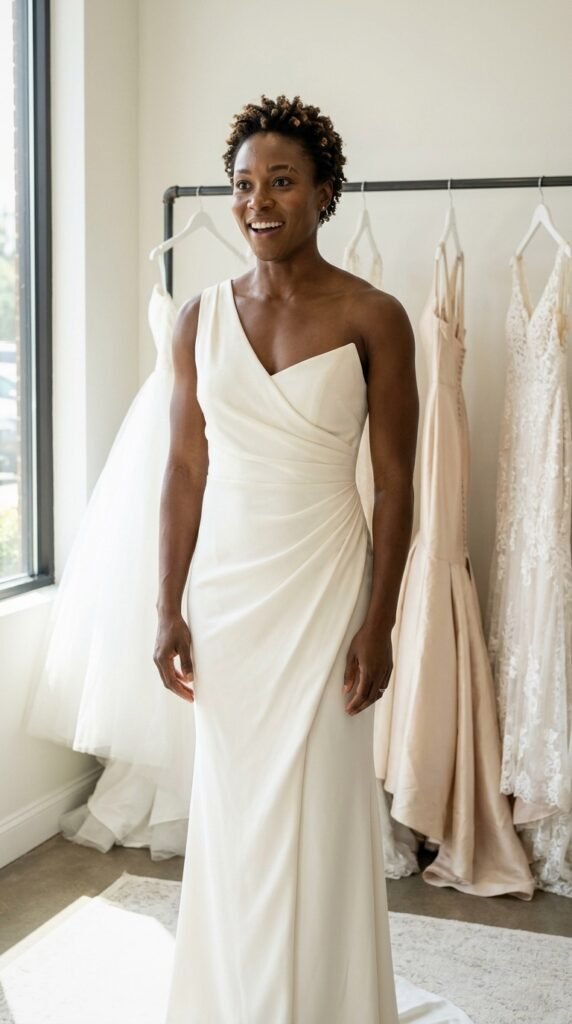
A dress on a hanger and a dress on your body are two different things. Ask the consultant to bring one gown you would never have picked. Brides surprise themselves all the time.
16. Run the movement test
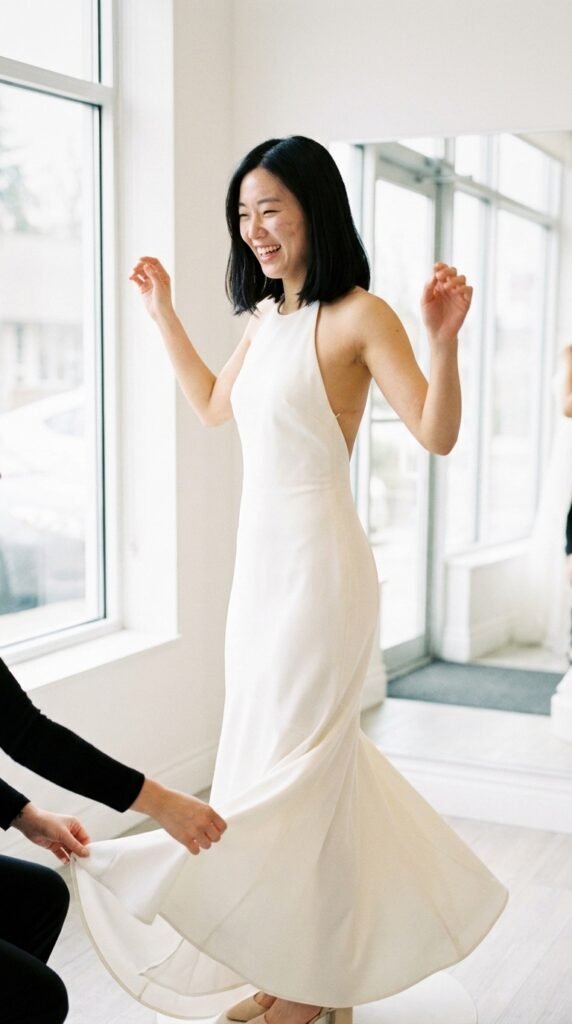
Sit down and stand up. Reach both arms overhead and give someone a hug. Take ten big steps, climb a few stairs and spin. Breathe deeply without holding it in. If a dress fails two of those, move on. One bride told me she only saw in her photos how low her neckline sat once she started dancing. Wear your real shoes for this; my 10 best comfortable wedding shoes are all dance-floor tested.
17. Check the neckline and back from every angle
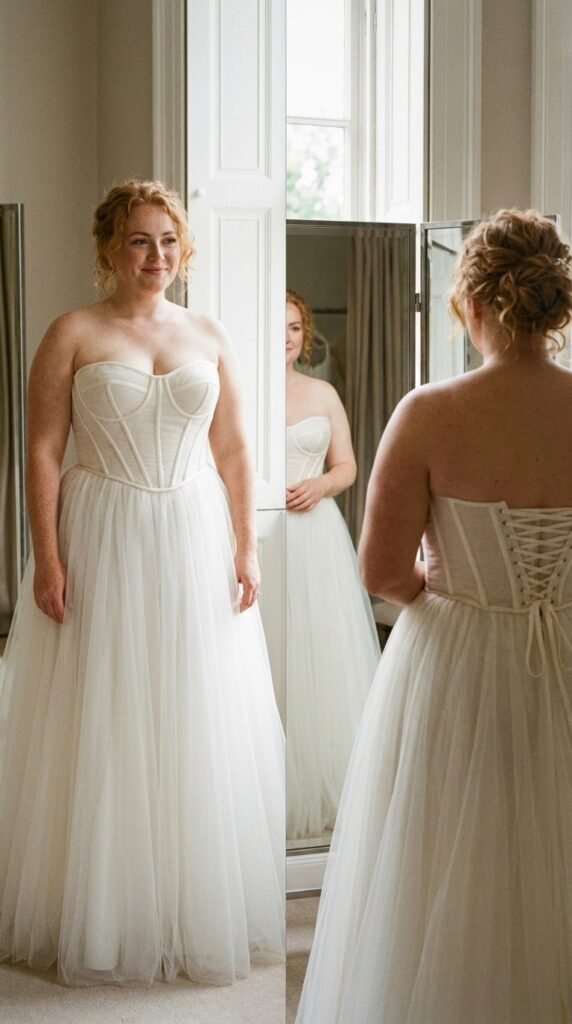
Look at the dress from behind in a three-way mirror. Guests see your back for the whole ceremony. Watch how the neckline moves when you sit and lean forward, since that is how you’ll spend dinner.
18. Film it in two kinds of light

Ask first, then take a ten-second video in daylight by a window and again under warm lamps, from the front, side and back. Matte crepe, chiffon and soft tulle photograph cleanly, while very shiny satin can lose detail under flash. Use the videos to compare dresses yourself, not to poll a group chat.
Making the decision (steps 19 to 21)
19. Choose the veil and accessories with the gown
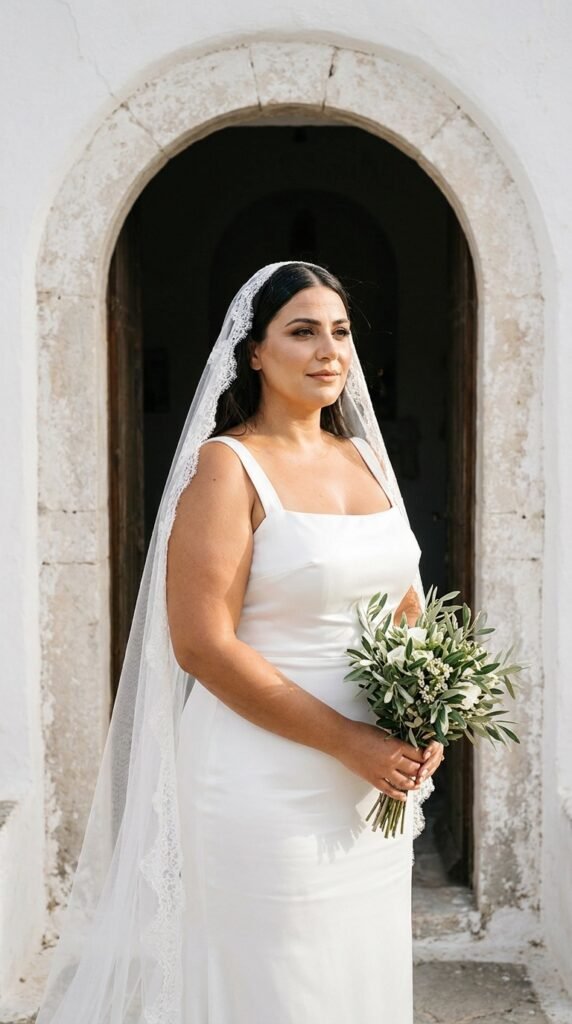
Pronovias pairs veils by shape: a chapel or cathedral veil with a mermaid, fingertip length with strapless, a short birdcage with off-the-shoulder, and a mantilla for a grand church. Mantillas are on The Knot’s 2027 list, too. Order accessories when you order the gown, because lead times can match. If you love coverage, my high neck wedding dresses look lovely with a mantilla.
20. Decide with the top-two rule
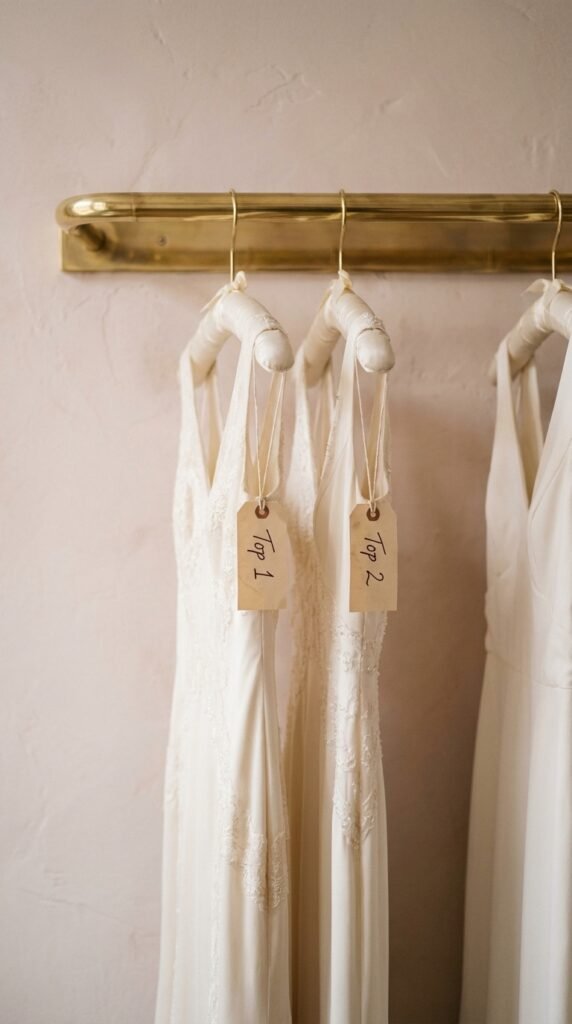
A Kleinfeld consultant gives the best advice I know. Keep a top two, and make every new dress beat one of them, because you won’t pick your third favourite. You don’t need to cry. One bride’s big moment was, in her words, a shrug, and she loved her dress. It is also normal to leave your first appointment without a winner.
21. Confirm every detail when you order, then stop looking
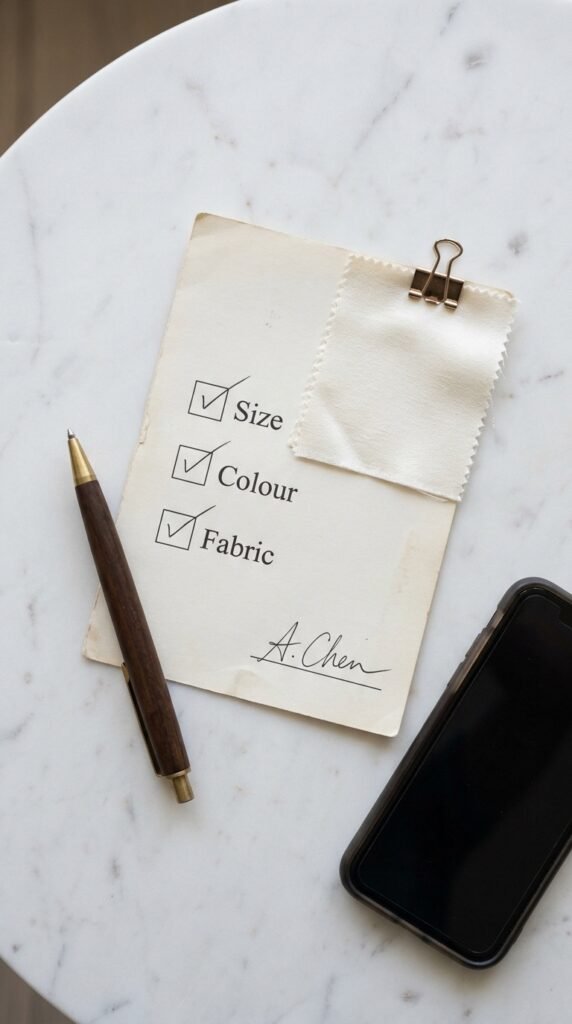
Check the size, colour, fabric and delivery date on the order form before you sign, because changes after ordering are hard. Then put Pinterest away. A little doubt between ordering and delivery is normal, and scrolling only makes it louder.
Fittings and the big day (step 22)
22. Plan your fittings, the bustle and a day-of kit
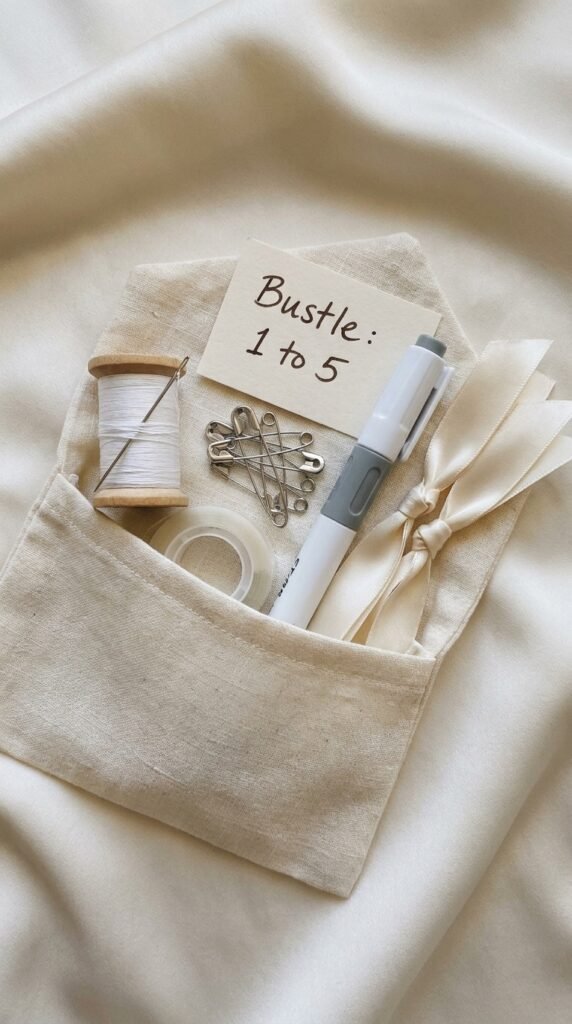
Most brides need fittings at about six to eight weeks, four weeks and two weeks before the wedding. Wear your wedding shoes to every one. A hem alone can cost $125 to $500, and rush alterations add 25 to 50 percent. Speak up if anything changes that you didn’t ask for. Bring the person who will bustle your dress to the four-week fitting. Then pack a small kit with a needle and thread, safety pins, fashion tape and a stain pen, and book the cleaning before the wedding.
Where I’d start
Do steps 1 to 4 at home this week, before you book anything. Knowing your venue, budget, order date and three must-haves will make every appointment shorter and calmer. Then book two weekday visits, bring two people and run the movement test on everything you love.
