


Two decisions come before everything else
Most wedding planning goes wrong in the same way. Couples start with the fun part, the colours, the flowers, the Pinterest boards, and leave the logistics until the structure is already locked in. Planners see it constantly. The order matters more than the effort, because two decisions sit upstream of every other choice you will make. Your budget, and your guest count. Those two numbers determine which venues you can even look at, what catering will cost, how many invitations you print and how much you have left for everything else. Get them down on paper in the first week and the next eleven months become a sequence rather than a scramble. What follows is thirty steps grouped into six phases, roughly matched to a twelve-month engagement. If you have six months, the same order still works, you just compress it. If you have eighteen, you get the venues everyone else missed.
How the money usually splits
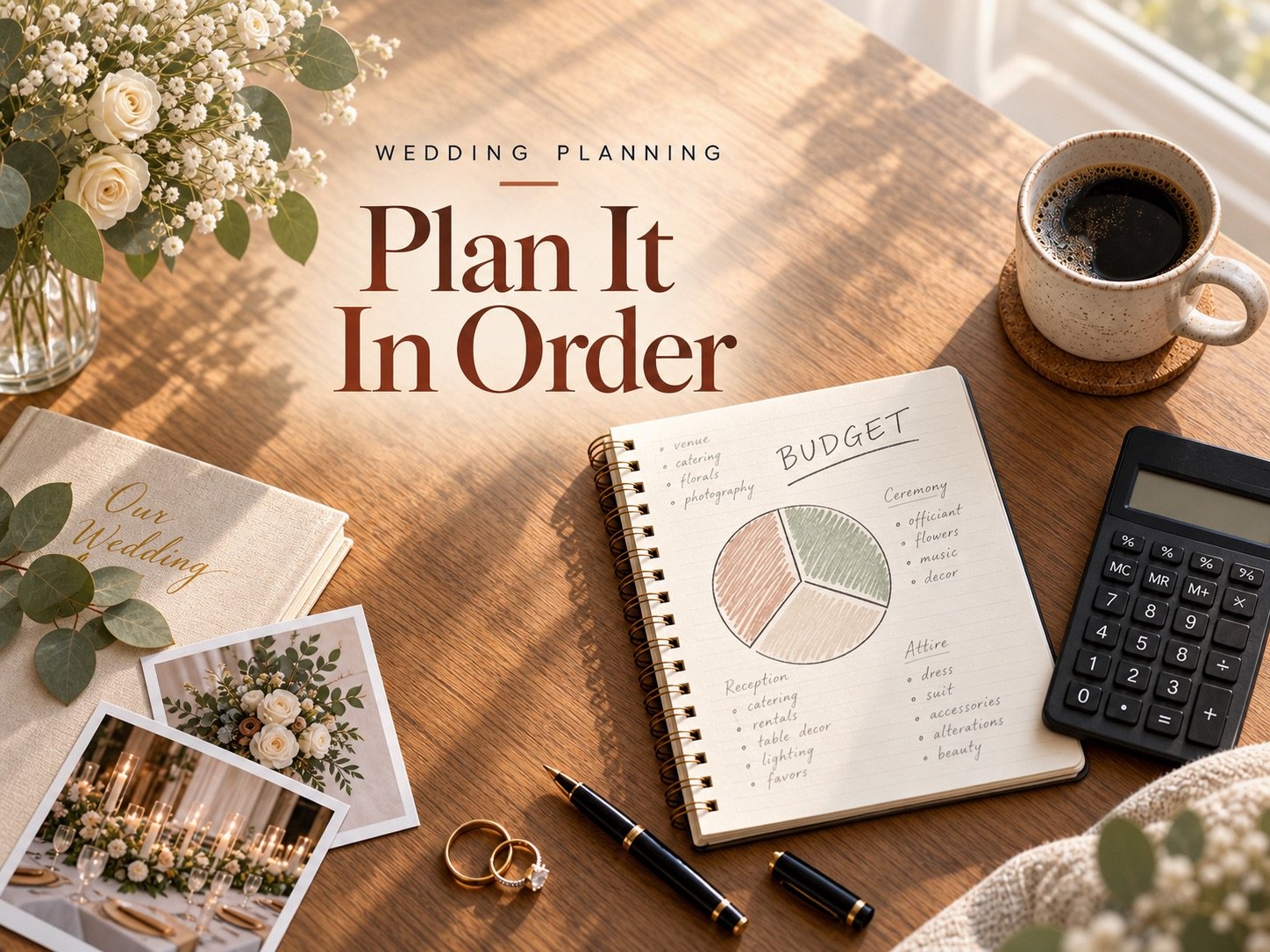
The most quoted framework is the 50/20/30 rule. Around half your budget goes to the reception, meaning venue, food and drinks. About twenty percent covers the ceremony and flowers. The remaining thirty percent absorbs attire, music, photography, stationery and everything you have not thought of yet. Other planners split it slightly differently, with forty to fifty percent on venue and catering and ten to fifteen percent on photography, but the shape is the same.
For context, the average American wedding lands somewhere around thirty-three to forty-five thousand dollars, though that number moves enormously with guest count and location. Guest count is the lever. Cutting twenty people saves more than almost any other decision you can make.
One organisational thing worth doing on day one. Split the planning into zones of ownership between you, based on who actually cares about what rather than on who is expected to. If one of you loves food, that person runs catering and tastings. If the other is better with contracts, they handle vendor admin. And use one shared tool rather than two spreadsheets, because separate systems are where details go to die.
Phase 1: Twelve or more months out, the foundation
1. Set the total budget and who is contributing

Agree the number, agree who is paying what, and write it down before you look at a single venue. Awkward conversations about family contributions are far easier now than after you have fallen in love with a room you cannot afford. This one step prevents most planning arguments.
2. Build the guest list
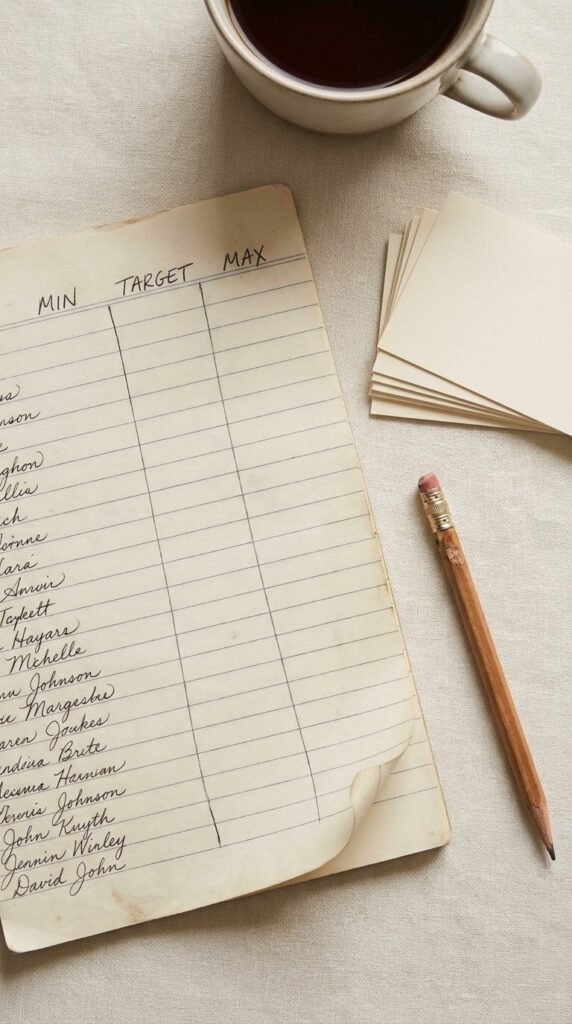
Draft it properly, with a minimum, a target and a maximum. Everything prices off this number, so a rough guess will mislead you for months. Be ruthless and invite the people you actually want there.
3. Pick two or three possible dates

Choose a season first and then a few candidate dates rather than fixing on one. Venues in demand disappear fast, and flexibility on the date is what gets you the room you want. Premium summer Saturdays can go eighteen months ahead.
4. Decide whether you are hiring a planner

Full service, partial, or day-of coordination are three genuinely different products at three different prices. Decide now, because a full-service planner is most useful from the beginning rather than brought in at month four. Day-of coordination is the version most couples underestimate.
5. Book the venue
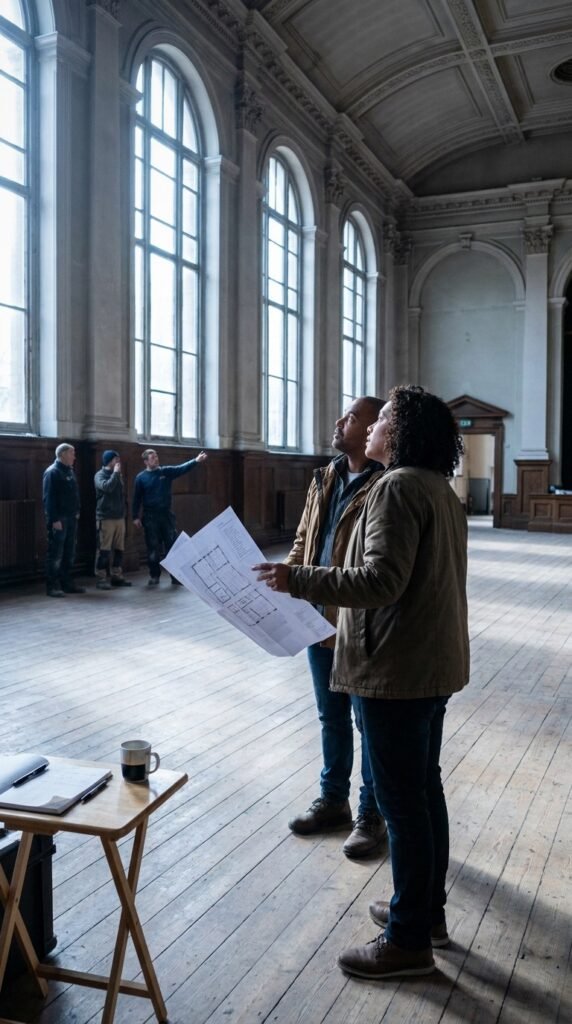
This anchors your entire timeline, because it fixes the date, the guest capacity and often the catering options. Popular venues book twelve or more months ahead, and in destination locations even further. Nothing else should be booked before this.
Phase 2: Nine to twelve months, the major vendors
6. Book the caterer
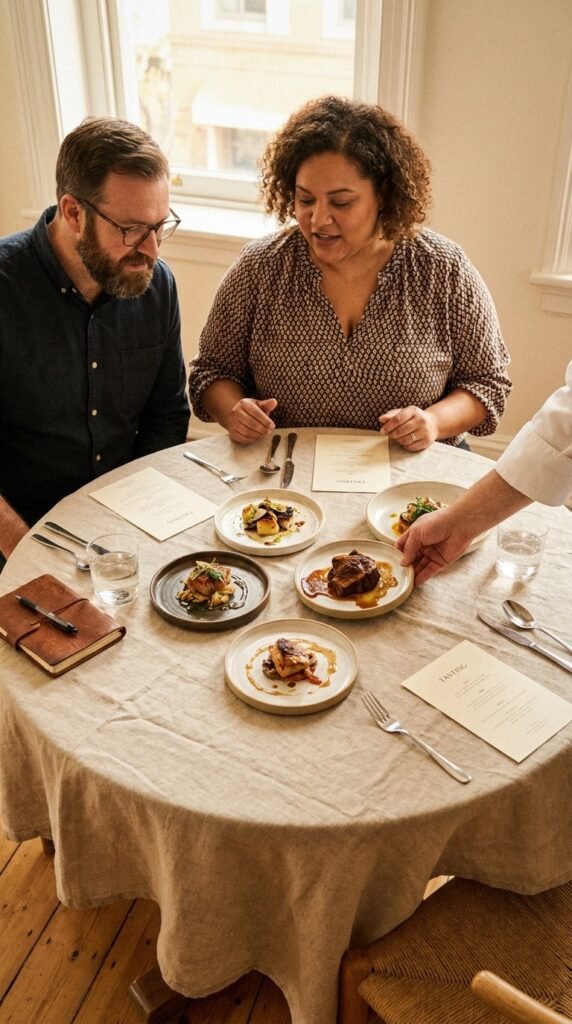
If your venue does not provide catering, this is the next largest line in your budget and the next to fill up. Book the tasting when you book the caterer rather than leaving it. Drop-off catering is worth considering because it reduces vendor coordination on the day itself.
7. Book the photographer
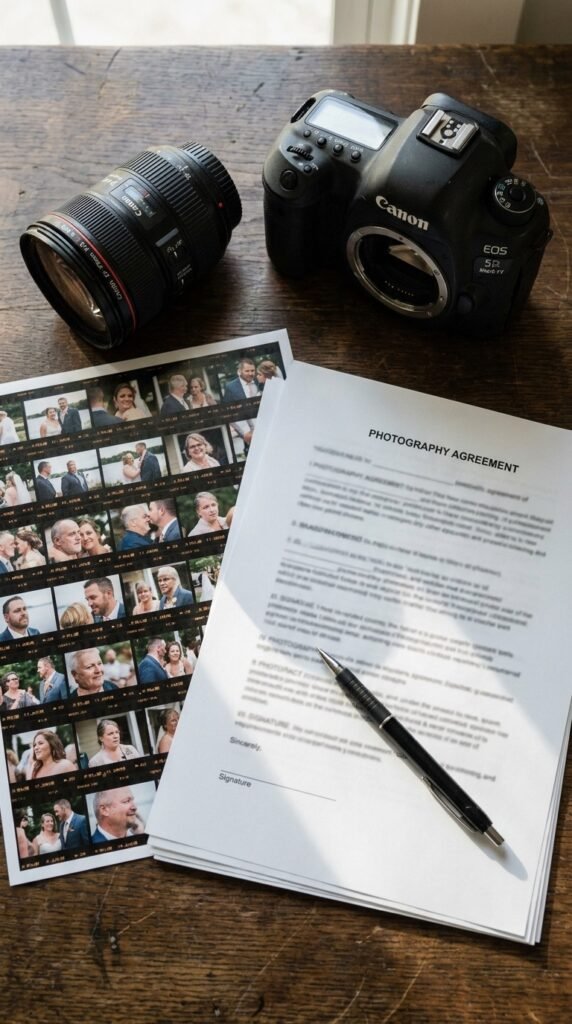
Photography usually takes ten to fifteen percent of the budget and good photographers book out a year ahead. Talk to them about the day’s timeline at the booking rather than later, because photographers plan the shape of a wedding day better than almost anyone.
8. Book the videographer
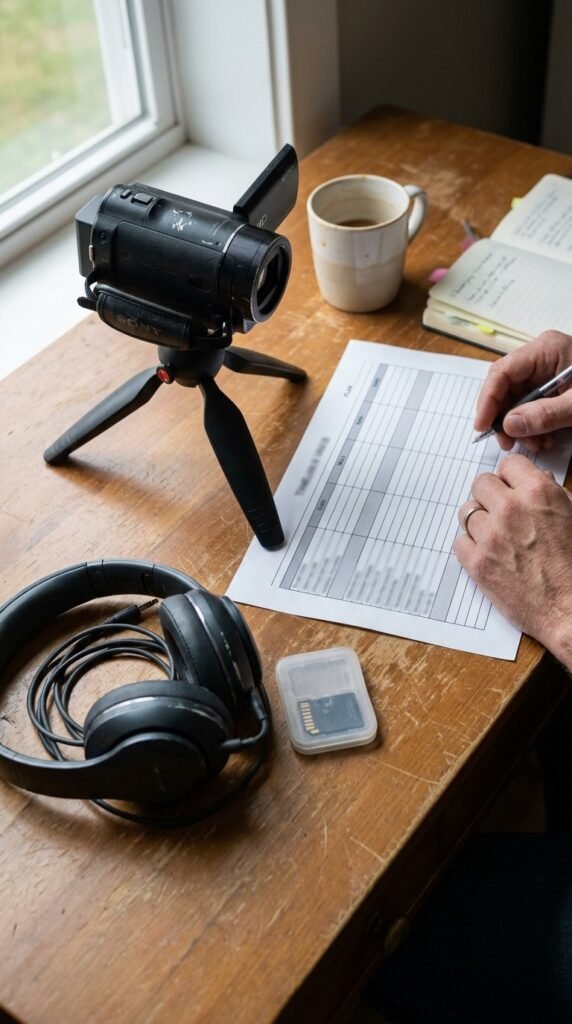
Often works from the same timeline as your photographer, which is an argument for booking them close together. Decide early whether you want video at all rather than adding it in a panic at month three. It is easier to skip than to retrofit.
9. Book the music
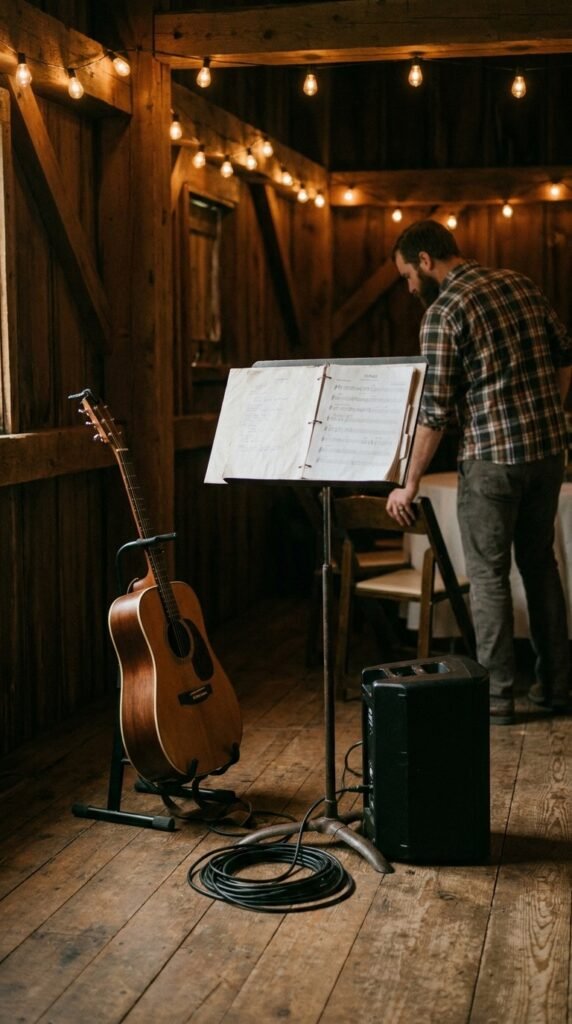
A DJ or a live band shapes the reception more than any decoration will. Scale it to the room, because a full band setup in a space for forty people is overkill. Ask what their setup needs from the venue before you sign.
10. Start dress and suit shopping
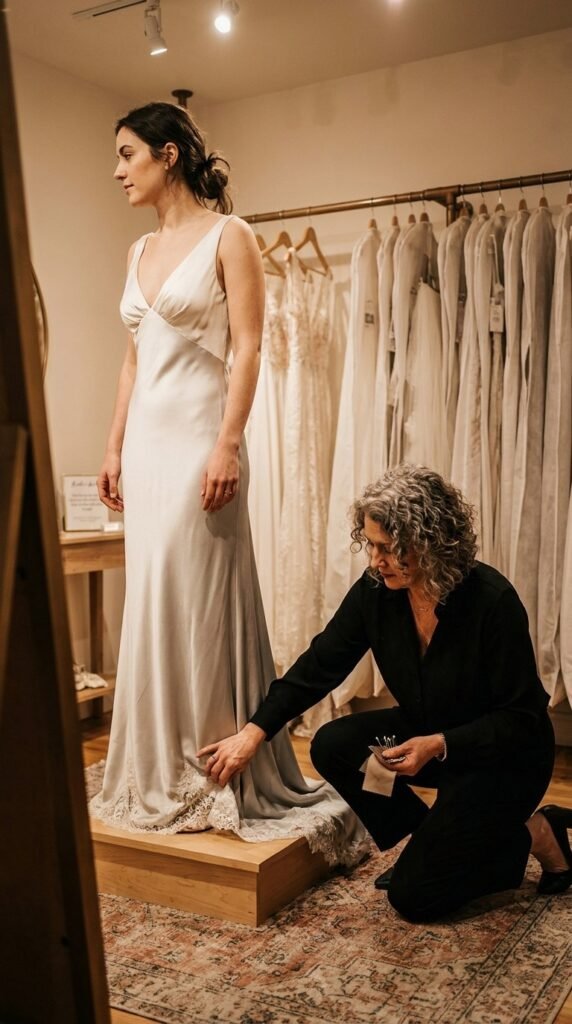
Wedding dresses can take up to nine months to make and then eight to twelve weeks for alterations on top. That is the single most underestimated timeline in wedding planning. Suits and tuxedos need ordering in this window too.
Phase 3: Six to nine months, the details take shape
11. Send save the dates

Six months out for a local wedding, nine months if it is a destination or a holiday weekend. Guests need runway to book time off and travel. Send them once the venue is confirmed and not before.
12. Book the florist
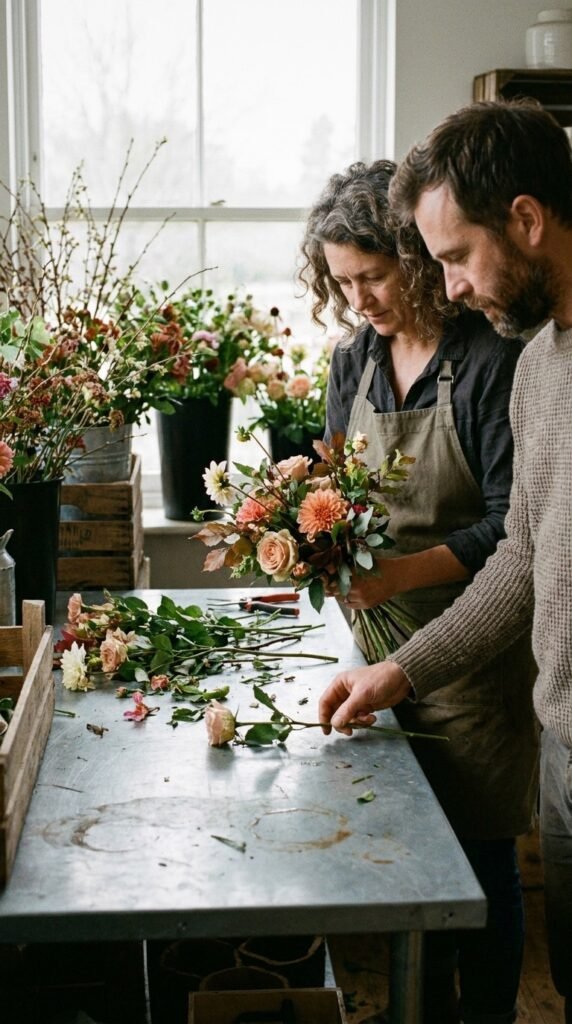
Bring photographs of the venue and your palette rather than only inspiration images, because the space shapes what works. Ask what is genuinely in season for your date, since seasonal flowers cost a fraction of imported ones.
13. Book the officiant

Whether that is a religious officiant, a registrar or a friend getting ordained, confirm it now. Check the legal requirements where you are marrying early, because they vary more than people expect. A friend officiating usually needs paperwork done weeks ahead.
14. Choose the wedding party attire

Bridesmaid dresses and groomsmen suits need ordering with the same lead times as your own. Give your party the full cost upfront, including alterations, because that lands on them. Clear numbers early prevent resentment later.
15. Book accommodation blocks
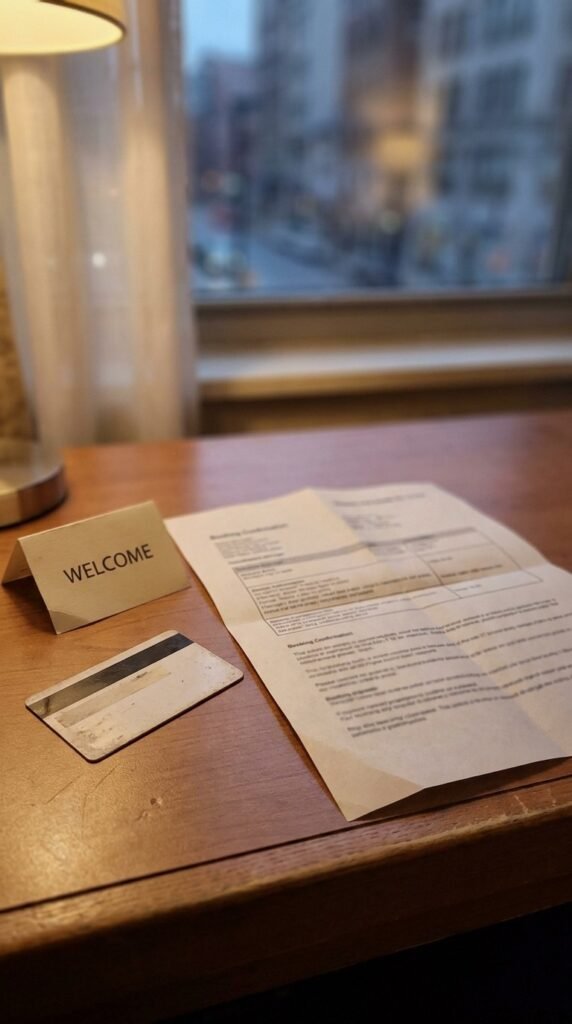
Reserve hotel room blocks for guests travelling in, and your own room for the night before and after. Blocks usually cost you nothing to hold and they save guests a great deal of admin. Do it before the date gets busy locally.
Phase 4: Three to six months, guests and logistics
16. Order the invitations

Order stationery now and plan to post invitations six to eight weeks before the day. Order more than you need, because reprints are disproportionately expensive. Proofread the address details twice, then have someone else do it.
17. Build the wedding day timeline

Work it out with your planner and photographer together rather than alone. Getting ready, ceremony, cocktail hour, reception and exit each need realistic durations, and the couples who skip this are the ones running forty minutes late by dinner. Build in gaps.
18. Plan the guest flow, not just the decor
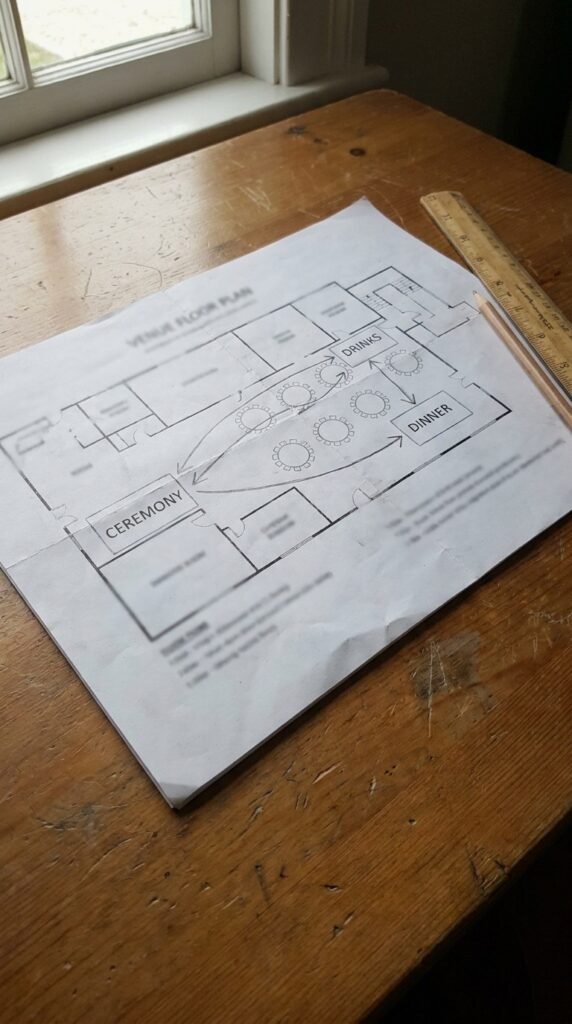
This is the thing couples most consistently underestimate. Work out how guests physically move between ceremony, drinks and dinner, where they wait, and where the bottlenecks are. Decor gets all the attention and logistics decide whether the day feels smooth.
19. Book the honeymoon

Flights and hotels at least six months ahead for availability and pricing. Check passport expiry now, because renewals take six to eight weeks and visa applications take longer. Set calendar reminders for any deposit deadlines.
20. Set up the registry

Have it live before invitations go out, because guests will start looking the moment they receive one. Include a range of price points. Add the link to your wedding website rather than the invitation itself.
Phase 5: One to three months, confirmations
21. Chase the RSVPs
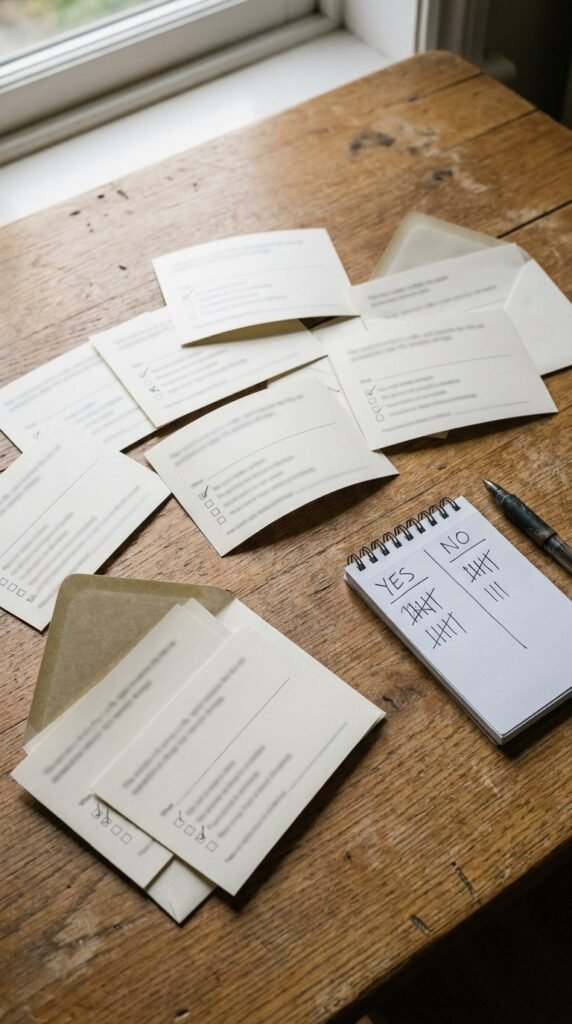
Set an RSVP deadline three to four weeks before the day and expect to chase people personally. The final count drives catering, seating and rental quantities, so this is not a soft number. A phone call works better than a third email.
22. Get the marriage licence

Requirements vary by location and the licence is typically valid for sixty days once issued, so time it to land inside that window. Check what documents you both need to bring. This is the one administrative step that actually invalidates a wedding if missed.
23. Finalise the seating plan

Do it once the RSVP count is firm rather than guessing early and redoing it. Seat people you want talking to each other rather than solving a puzzle of obligations. Print a copy for the venue and one for yourself.
24. Send every vendor the full details

Each vendor should have your current timeline, the final guest count, the floor plan and their delivery instructions. Your coordinator usually handles this, but they need your input. A confirmation call now prevents a great deal of confusion on the morning.
25. Have the final dress fitting
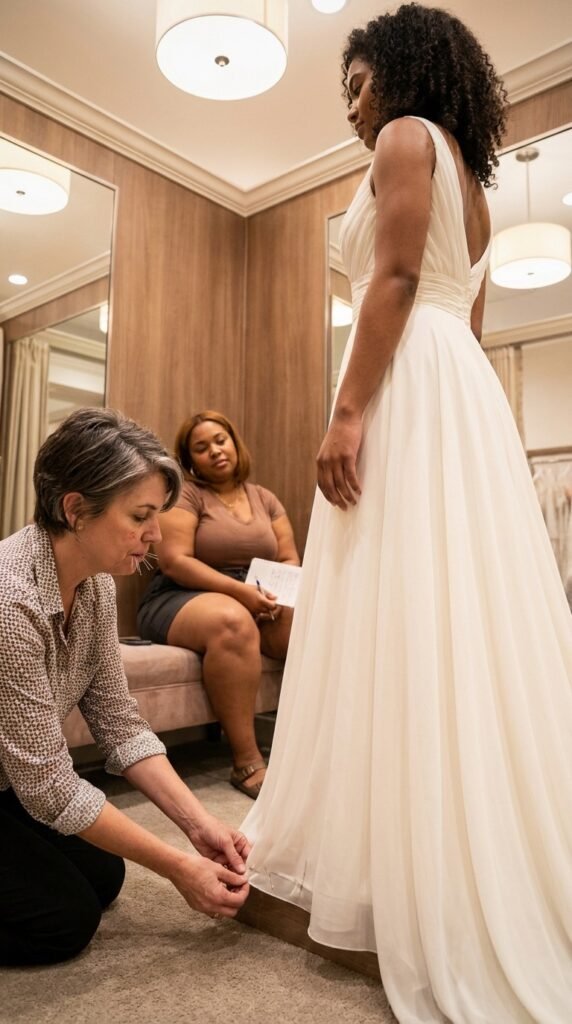
Book the last fitting two to three weeks out, with the shoes and underwear you will actually wear. Bring whoever is helping you dress on the day so they learn the fastenings. Take the dress home and hang it properly.
Phase 6: The final week, and afterwards
26. Make final vendor payments
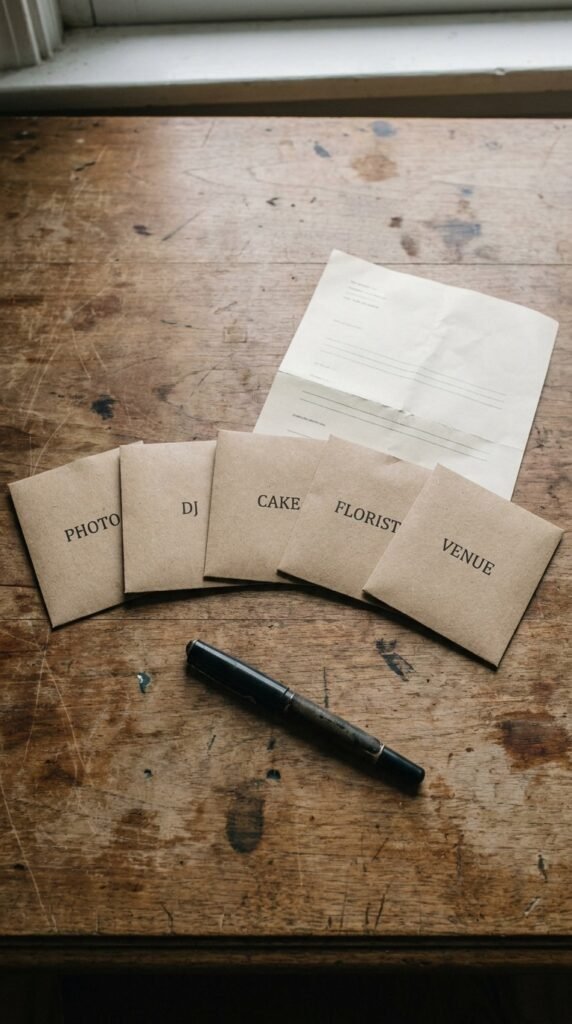
Settle outstanding invoices and check them against your original budget. Put cash tips in labelled envelopes and hand them to one trusted person to distribute, because you will not be thinking about it on the day. Write the list of who gets what.
27. Pack the day-of kit

Rings, licence, vows, shoes, a sewing kit, plasters, painkillers, a phone charger and a snack. Someone in the wedding party carries this bag and it has saved more weddings than any amount of planning. Pack it three days early.
28. Hand over and stop planning
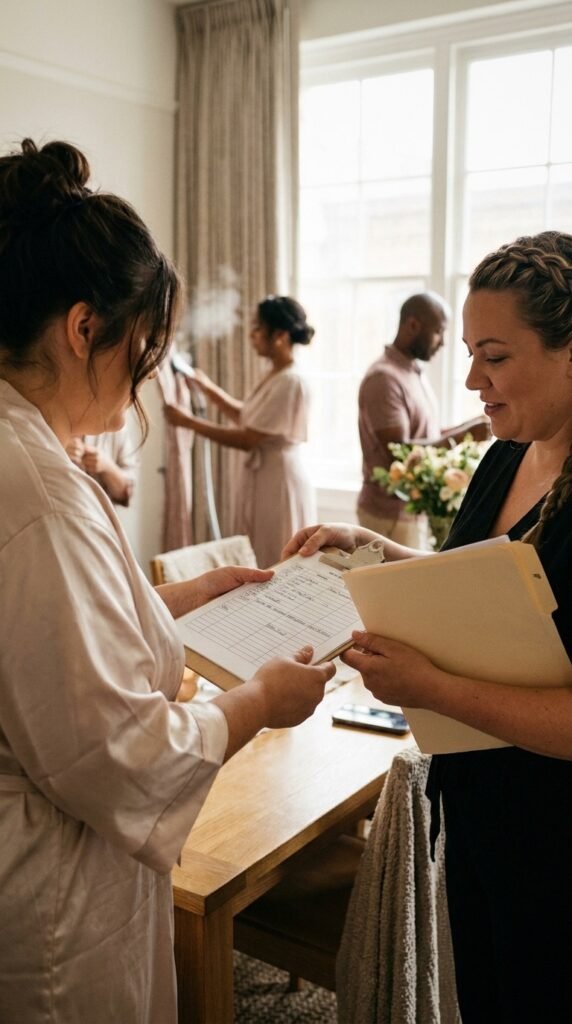
By the final week, brief your coordinator or a capable friend and then genuinely let go. The couples who enjoy their wedding are the ones who trust the team they spent a year building. Nothing you fix in the last forty-eight hours will change the day meaningfully.
29. Send thank-you notes
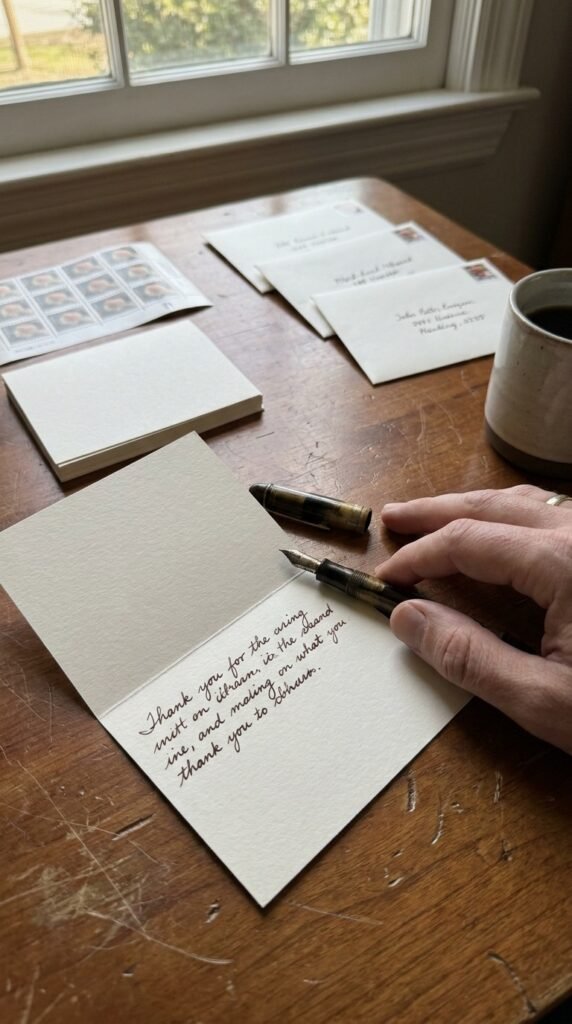
Aim to send them within three months, and handle registry returns inside ninety days while the windows are still open. Split the list between you rather than one person writing eighty notes. Do ten a night and it is done in a week.
30. Sort the legal housekeeping

Name changes if you are doing them, updating beneficiaries, insurance and accounts, and ordering certified copies of the marriage certificate. It is the least romantic part of the whole process and it takes an afternoon. Put it in the calendar for a month after the honeymoon.
What experienced planners say to expect
Planning takes real hours. During the busiest vendor-booking stretch, couples report spending eight to fifteen hours a week on it. Knowing that in advance makes it feel like a project rather than an ambush, and it is a fair argument for hiring at least partial coordination if you both work full time.
Let the design evolve instead of locking it early. Couples who finalise every aesthetic detail at month two usually change their minds by month eight and pay twice. Decide the structure early and the styling late, which is the opposite of how most people do it.
And book earlier than feels necessary. Every month of delay means fewer choices and often higher prices, particularly for the vendors everyone wants. The wedding that feels calm in the final month is almost always the one where the big bookings happened early and the last eight weeks were confirmations rather than decisions.
If I am picking three to start with
The budget conversation including who is contributing, because everything downstream depends on it and it only gets harder to have later. The guest list with a minimum, target and maximum, because it prices every other decision. And the venue, because it fixes your date and your capacity in one booking. Save this to your wedding board on Pinterest and work down it in order rather than jumping to the parts you are excited about.
