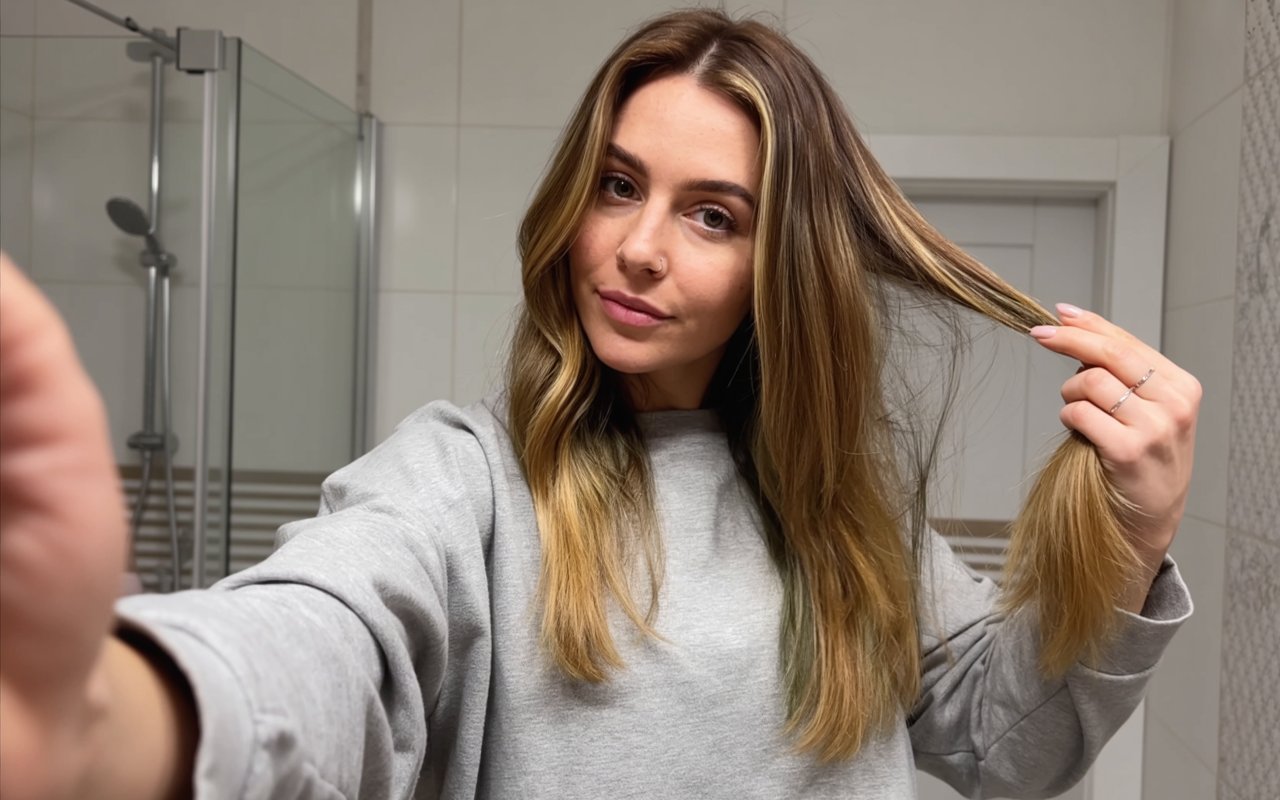
If you’re craving a hair refresh, you’re not alone—searches for winter hair color trends are surging. Unlike past winters defined by deep, cool dyes, the 2025-2026 season is embracing warmth and dimension. Celebrity colorists note that winter doesn’t mean your highlights have to hibernate; instead, we are seeing rich cozy tones, candlelit blondes, and luxurious brunettes. From the runway to TikTok, these trends prioritize healthy-looking shine and low-maintenance luxury.
How We Chose & Ranked
Picking the “best” trends wasn’t a guessing game. We used a data-driven approach based on five key criteria:
- Trend Popularity (30%): Buzz from celebrity stylists and social media search volume.
- Visual Impact (25%): The ability of the shade to add dimension and brighten the complexion.
- Versatility (20%): Suitability across different skin tones and hair types.
- Maintenance (15%): Practicality for the average person (e.g., graceful grow-out).
- Expert Endorsement (10%): Verified backing from reputable sources like Vogue, Bustle, and Who What Wear.
The List
1. Teddy Brown — A Cozy, Expensive-Looking Brunette Upgrade

Snapshot: Teddy brown is a warm, medium brunette shade with soft caramel dimension. It is the “expensive brunette” look made famous by celebs—rich in tone, plush, and flattering.
Key Details: This trend marries a medium brown base with delicate babylights that catch the light, inspired by the soft sheen of a teddy bear’s fur. By weaving in caramel or toffee tones, the color avoids looking flat. It is versatile: natural brunettes can add face-framing pieces, while dark blondes can deepen to this sumptuous shade.
Why It Ranks: It tops our list for its massive popularity and versatility. Experts praise its ability to look polished yet low-key, and it aligns with Pantone’s earthy “Mocha Mousse” trend.
- Pros: Luxe look without extreme processing; warm undertones brighten the face.
- Cons: Warm tones can drift brassy without color-safe shampoo.
2. Fawn Blonde — Velvety Highlights with a Candlelit Glow

Snapshot: The “it-girl” blonde of Winter 2025, combining soft warm highlights with a neutral base for a velvety glow. It balances cool and warm tones to mimic the delicate coat of a fawn.
Key Details: Dubbed “the shade of the season” by colorists, Fawn Blonde mixes creamy honey and beige. The technique uses a “root smudge” so there is no stark line as hair grows. It brightens the face in dull winter light without the harshness of platinum.
Why It Ranks: It strikes the perfect balance between trendy and timeless. It offers the brightness of blonde with significantly less maintenance than traditional bleach jobs.
- Pros: Blended roots mean fewer salon visits; customizable warmth.
- Cons: Initial full highlight process can be costly and time-consuming.
3. Cherry Cola Red — Deep Cherry-Red Brown
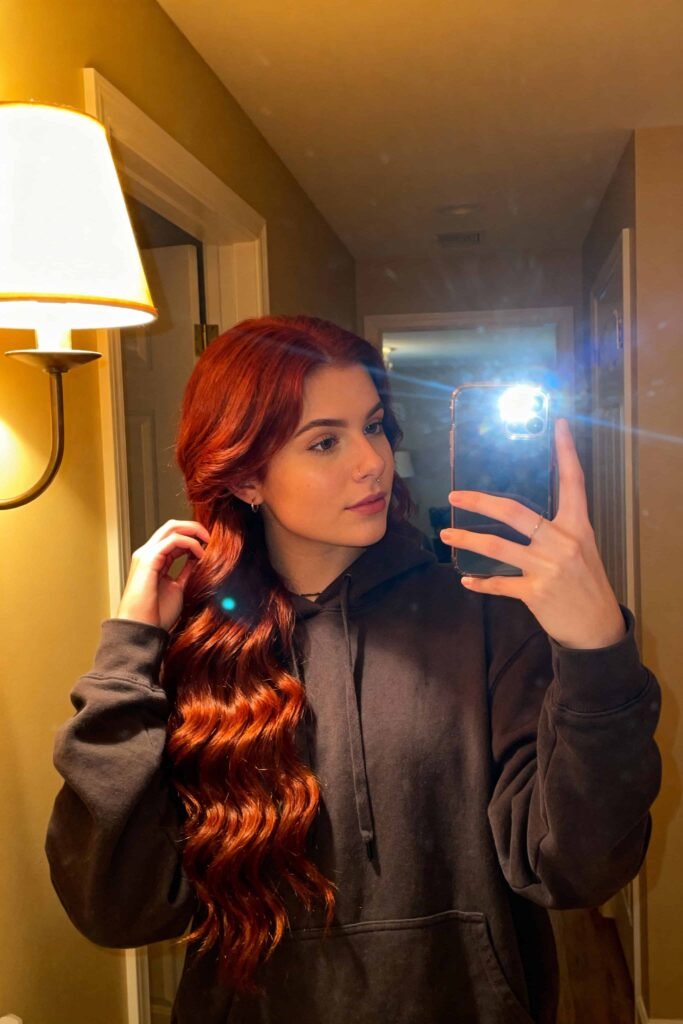
Snapshot: A bold, head-turning hue blending rich red wine tones with brunette depth. Imagine light shining through a glass of cherry cola—dark auburn-brown with juicy red highlights.
Key Details: This is the evolution of the copper trend, moving into deeper, moodier territory. It involves layering violet-red tones over a darker base. It offers the drama of red hair but with brown undertones that provide longevity.
Why It Ranks: It captures the “bold but wearable” vibe of 2025. Expert panels name it a defining trend because it gives reds more depth, preventing them from looking flat.
- Pros: Dramatic and eye-catching; adds instant shine and dimension.
- Cons: Red pigments fade fast; requires sulfate-free care.
4. Neutral Copper — Soft Ginger Spice

Snapshot: A softer take on the copper craze—a blend of dusty copper and auburn that delivers warmth without screaming orange. It is the perfect entry point for the copper-curious.
Key Details: Also called “ginger spice,” this shade infuses golden and auburn tones to soften the intensity of standard copper. It acts like a beauty filter, adding instant warmth to the skin, similar to blush.
Why It Ranks: It balances high trendiness with practicality. Stylists call it the “starter shade” for redheads because it fades gracefully into a strawberry blonde rather than a harsh brass.
- Pros: Flattering warm boost to complexions; office-friendly uniqueness.
- Cons: Removing copper pigments later can be difficult.
5. Khaki Bronde — Earthy “Carhartt” Highlights
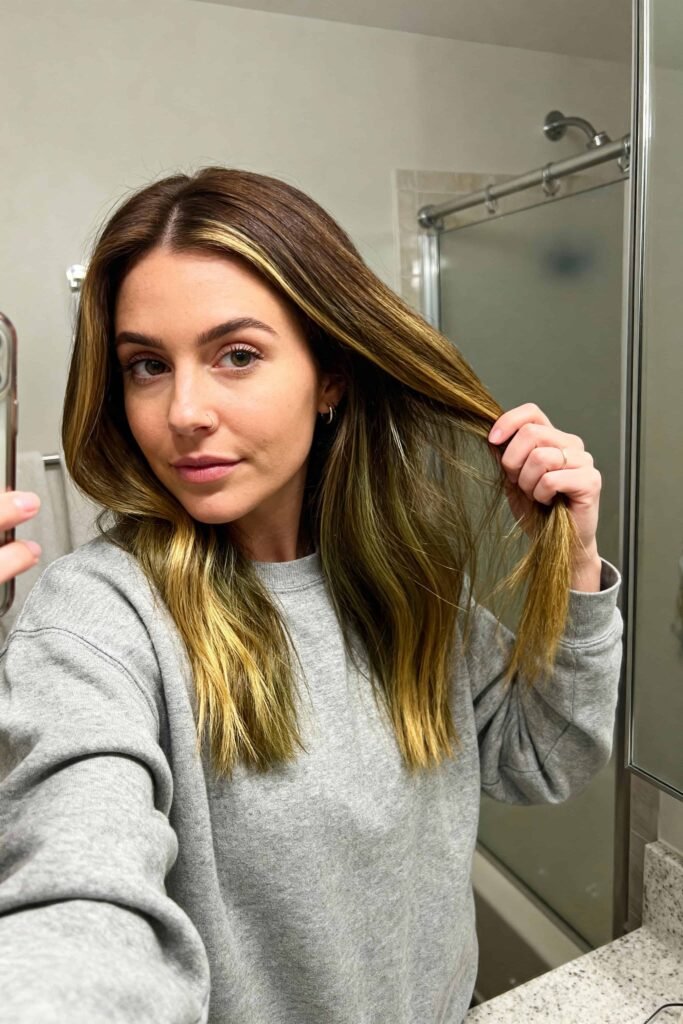
Snapshot: An earthy blend of blonde and brown featuring soft, khaki-toned highlights. Think of the golden-tan of a canvas jacket woven through rich brunette hair.
Key Details: This trend creates an “earthy yet expensive” look. For brunettes, it involves “tipping out” ends with warm gold; for blondes, it means adding deep golden lowlights. The olive-gold tone is distinct from standard ash or honey.
Why It Ranks: It is a low-maintenance way to add texture. The trend aligns with the industry-wide shift toward warm, multidimensional colors that look “expensive” in winter light.
- Pros: Extremely flattering on warm/neutral skin; low upkeep regrowth.
- Cons: Olive-gold tones may not suit very cool/pink undertones.
6. Dark Chocolate Gloss — Melted Espresso with a Golden Sheen
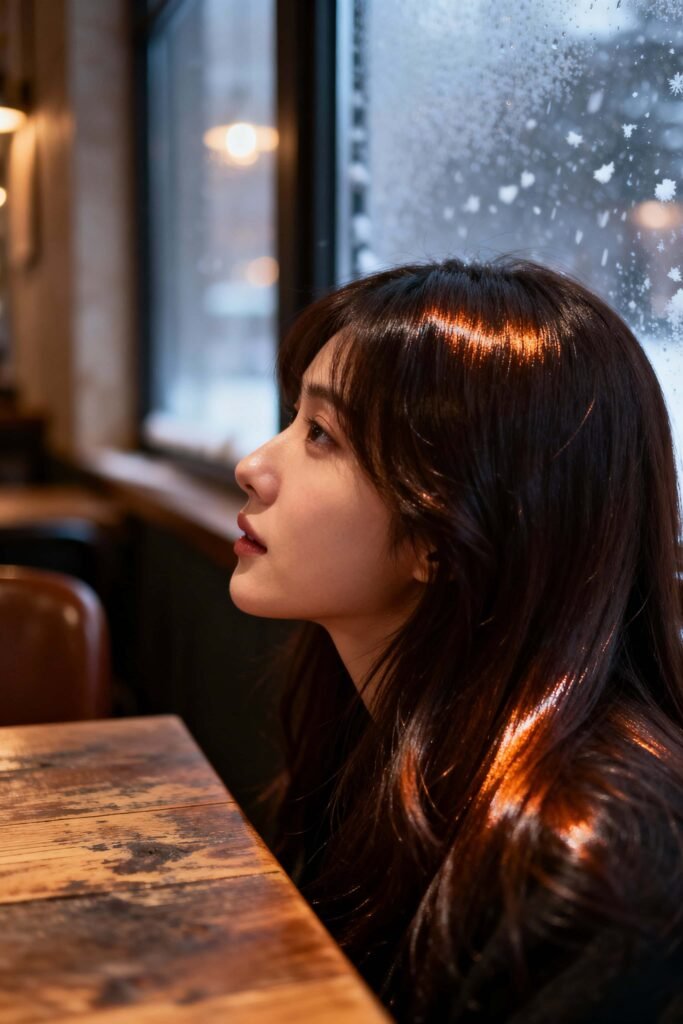
Snapshot: The ultimate “almost black” brunette. It is deep espresso loaded with glossy, light-catching warmth—like melted dark chocolate.
Key Details: 2025’s dark brown is about warmth and shine, avoiding flat, inky looks. Achieved often via a single-process color topped with a gold-tone gloss, this shade reflects light even in dim winter environments.
Why It Ranks: It represents the “Clean Girl” aesthetic of healthy, glossy hair. It is arguably the lowest maintenance trend on this list while still looking incredibly high-end.
- Pros: Super shiny; improves the look of hair condition; easy upkeep.
- Cons: Going this dark is a commitment; warmth is subtle.
7. Jet Black Revival — Inky, Power-Black Strands
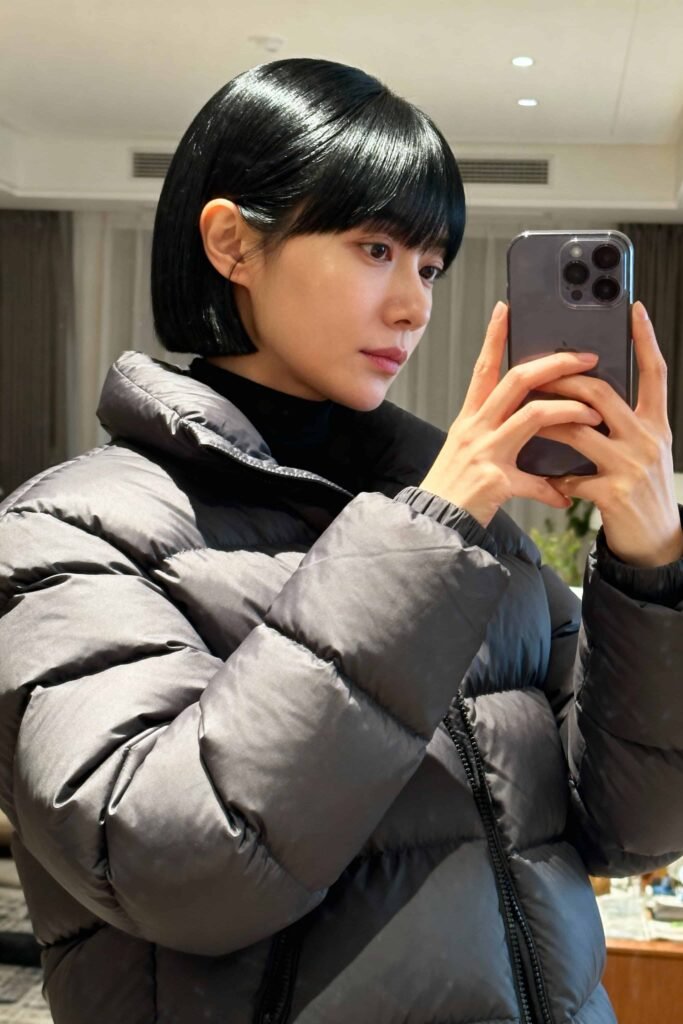
Snapshot: A comeback of glossy, inky black hair that signals power and elegance. The modern twist emphasizes glass-like shine and movement rather than a matte finish.
Key Details: Seen on runways and celebs like Kendall Jenner, this look uses “Black Diamond” color formulas that include subtle blue or violet undertones to maximize shine. It pairs best with textured cuts (shags, butterfly cuts) to keep it looking modern.
Why It Ranks: It taps into 90s nostalgia and the “power hair” movement. While less versatile than brown, its visual impact is unmatched.
- Pros: Maximum drama and shine; makes hair look thicker.
- Cons: Very difficult to remove; light roots show immediately.
8. Face-Framing Highlights — The “Money Piece”
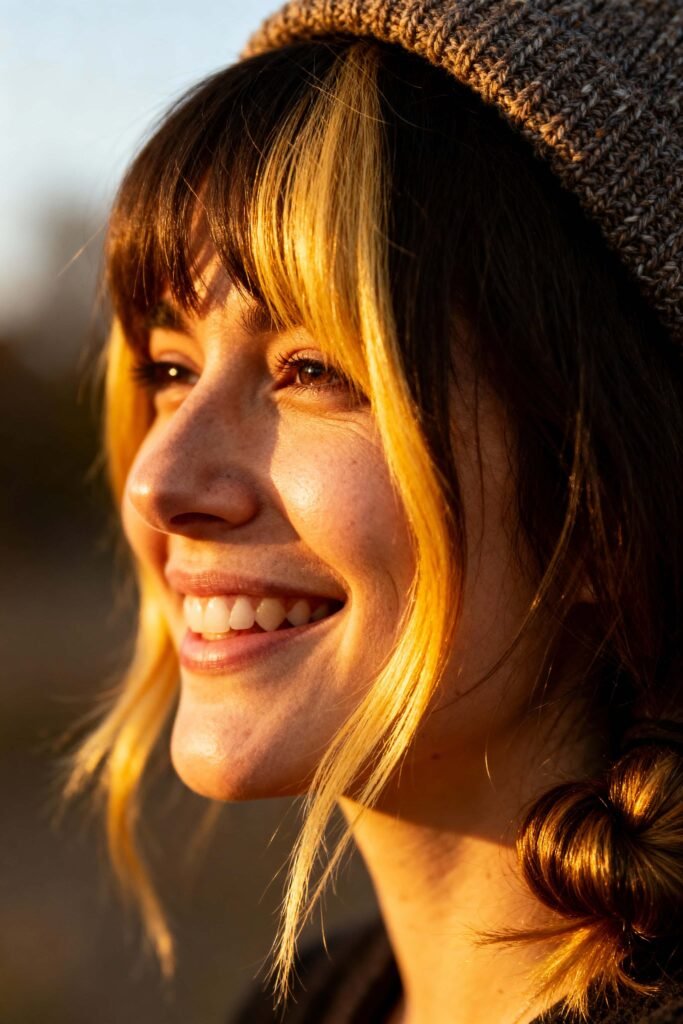
Snapshot: Strategic lighter streaks accentuating the hairline. This technique offers instant brightness and a “sun-kissed” lift without a full dye job.
Key Details: While the chunky highlights of previous years have softened, the “money piece” remains a staple. For 2025, the application is blended at the root but bright at the ends, creating a spotlight effect on facial features.
Why It Ranks: High impact, low effort. It works on every hair color and budget, making it a perennial favorite for a quick seasonal update.
- Pros: Instant glow-up; low damage; customizable contrast.
- Cons: Can look dated if not blended well.
9. Silver & Grey Blends — Embracing the Icy Side
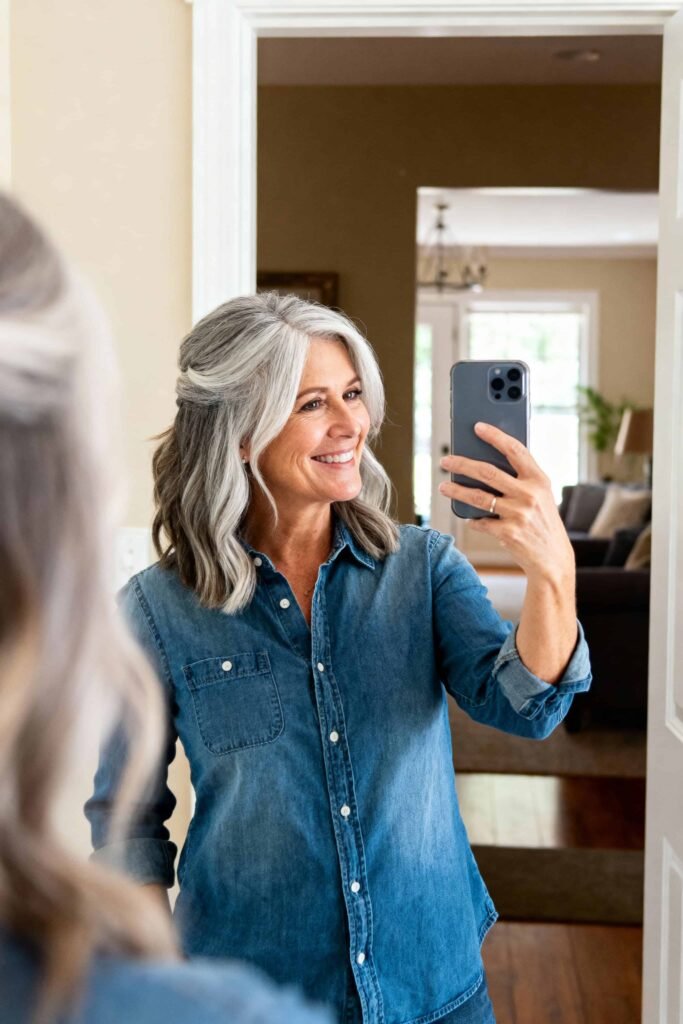
Snapshot: A trend celebrating natural greys via “herringbone highlights” or intentional silver dyeing. It turns grey hair into a chic, icy statement.
Key Details: 2025 is seeing a surge in “grey blending”—weaving ash-blonde highlights into natural grey to create a seamless, sparkling transition. For the younger fashion-forward crowd, “rooty silver blonde” offers an edgy, high-fashion alternative to platinum.
Why It Ranks: It reflects a cultural shift toward embracing aging and natural texture. It offers a sophisticated, liberating alternative to constant root coverage.
- Pros: Reduces maintenance for natural grey; high-fashion aesthetic.
- Cons: Transition phase can be awkward; dyed silver is high-maintenance.
10. Bold Fantasy Hues — Daring Pastels
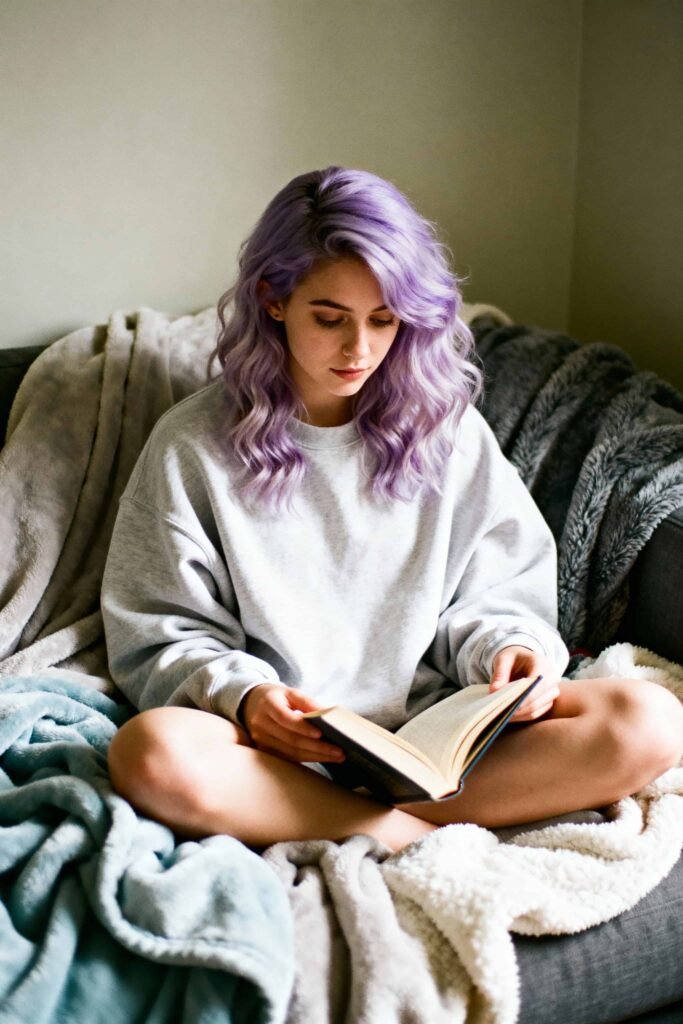
Snapshot: For the adventurous, soft pastels (Digital Lavender) and jewel tones remain popular. These are often temporary experiments for self-expression.
Key Details: Driven by TikTok and pop culture, these shades range from ethereal lavender to electric blue. The 2025 focus is on semi-permanent dyes and conditioners that allow for frequent, low-stakes color changes.
Why It Ranks: It represents the creative frontier of hair trends. While niche, the “Digital Lavender” movement and desire for playful expression keep these colors relevant.
- Pros: Unparalleled self-expression; temporary options available.
- Cons: Requires bleaching; color fades very fast.
11. Cranberry Spritz — The Vibrant, Festive Red
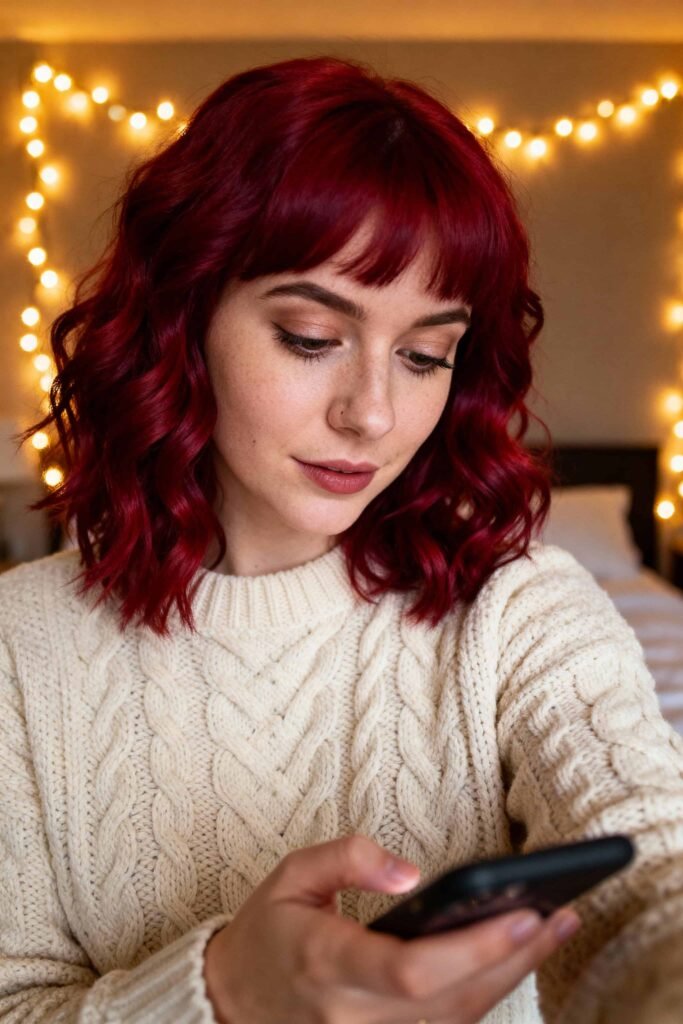
Snapshot: If Cherry Cola is the moody, dark version of red, Cranberry Spritz is its brighter, more effervescent cousin. It is a vivid, red-forward shade with pink or violet undertones that mimics a holiday cocktail. This shade is less about “natural” auburn and more about a festive, jewel-toned pop that cuts through the grey winter weather.
Key Details While Cherry Cola relies on a brown base, Cranberry Spritz leans into the red and violet spectrum. Celebrity colorists describe it as “bold and blended,” offering a brighter reflection that looks particularly stunning on curls or textured hair where the light can catch the varying red tones. It’s perfect for the peak holiday season (December–January). The technique often involves a root smudge for depth, but the mid-lengths and ends are saturated with cranberry and berry hues. It’s the visual equivalent of a flushed winter cheek—lively and energetic.
Price/Cost (or Evidence)
- Trend Validation: Bustle’s trend report explicitly named “Cranberry Spritz” as a distinct trend from Cherry Cola, highlighting it as a lighter, brighter alternative for Winter 2026.
- Salon Cost: This is typically a double-process service if you have dark hair (lift + deposit vivid red), ranging $180–$250 USD.
- DIY Option: Very popular with semi-permanent glosses (like Overtone or Glaze) for ~$30, allowing people to “spritz” their hair with red for a few weeks without permanent commitment.
Pros / Cons
- Pros:
- Highly festive and photogenic; stands out in winter photos.
- Can be done as a gloss/glaze over existing highlights for a temporary change.
- Brightens pale winter complexions with cool-toned red.
- Cons:
- High fade risk: Red molecules are the largest and wash out the fastest; requires cold water washing.
- Can turn pinky-orange if not maintained with color-depositing conditioner.
Use Cases / Examples
- The Holiday Party Look: A brunette getting a cranberry gloss just for December to feel festive.
- Curly Hair Pop: Tight coils dyed in cranberry spritz show off incredible dimension and shine compared to flat dark colors.
Why It Ranks It captures the “Seasonal Relevance” criteria perfectly. It’s the specific “fun” color for winter that bridges the gap between natural reds and fantasy colors.
Where to Learn More Check out Bustle’s Winter 2026 Trend Report, which distinguishes this shade as the go-to for those wanting more vibrancy than the moodier brown-reds.
12. Luminous Gold — The “Anti-Ash” Solid Blonde
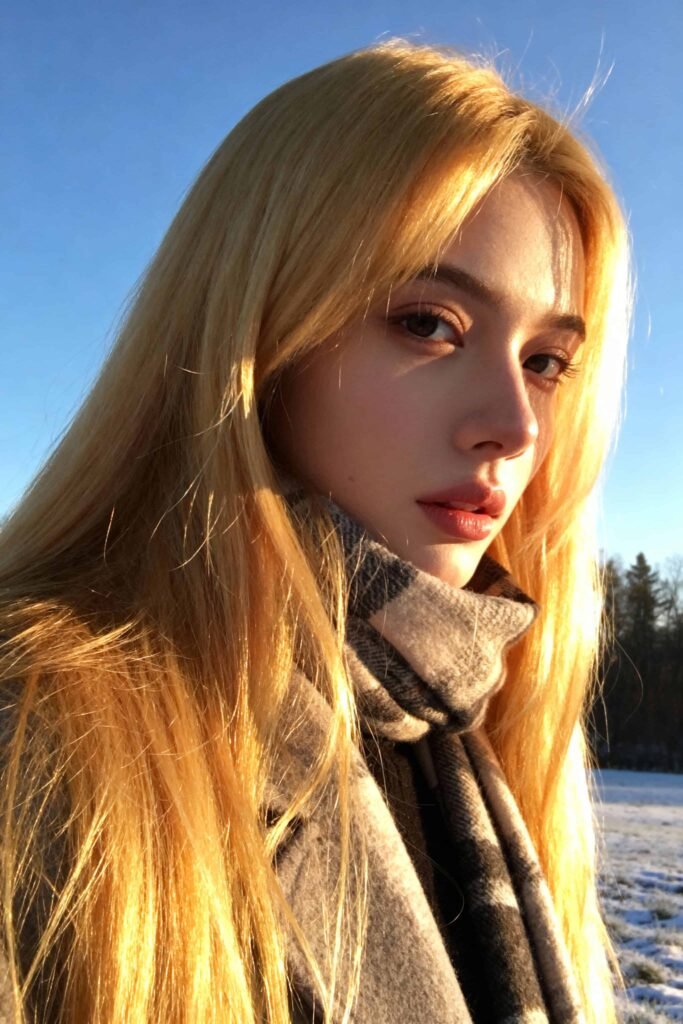
Snapshot: After years of ash, platinum, and “mushroom” tones, the pendulum has swung back to pure, unadulterated gold. Luminous Gold is a solid, shimmering blonde that embraces yellow undertones rather than fighting them. Think of the “Old Money” aesthetic: healthy, solid, rich gold hair that looks wealthy and well-nourished.
Key Details This trend is the antithesis of the “icy” winter look. Instead of purple shampooing until hair is white (and potentially dull), 2025 is about embracing the warmth that reflects light. The goal is hair that looks like gold bullion—solid, shiny, and saturated. Unlike “Fawn Blonde” which relies on dimension and highlights, Luminous Gold often looks like a solid all-over color or extremely heavy highlighting that reads as one cohesive shade. It projects health and vitality, which is often lost in winter hair.
Price/Cost (or Evidence)
- Expert Backing: Campus.edu and Bustle both identified “Luminous Gold” and “Golden Blonde” as displacing icy platinum. Experts note that golden tones reflect light better, creating a shinier appearance than matte ash tones.
- Cost: Often cheaper than platinum card services because it requires less lifting (you don’t have to lift past the yellow stage). Average full color: $150–$200 USD.
Pros / Cons
- Pros:
- Healthier hair: Requires less bleach than platinum/ash blonde.
- Incredible shine; gold tones reflect light naturally.
- Softens harsh winter features and warms up the skin.
- Cons:
- Fine line between “luminous gold” and “brassy yellow”—requires a skilled colorist to get the tone right.
- Shows roots clearly (unless done as a balayage), so maintenance is regular (4–6 weeks).
Use Cases / Examples
- The “Old Money” Bob: A chin-length blunt bob colored in a solid luminous gold (very 90s Carolyn Bessette-Kennedy but warmer).
- Platinum Rehab: Someone whose hair is damaged from trying to stay ice-white transitions to gold to let their hair heal while still being blonde.
Why It Ranks It ranks for “Hair Health” and “Visual Impact.” As the “healthy hair” movement grows in 2025, colors that require less damaging bleach (like gold vs. white) are surging in popularity. It is the sophisticated, grown-up blonde of the season.
Where to Learn More Campus.edu details the shift from platinum to sun-kissed buttery gold in their 2025 forecast, explaining why warmth is the key to shine.