
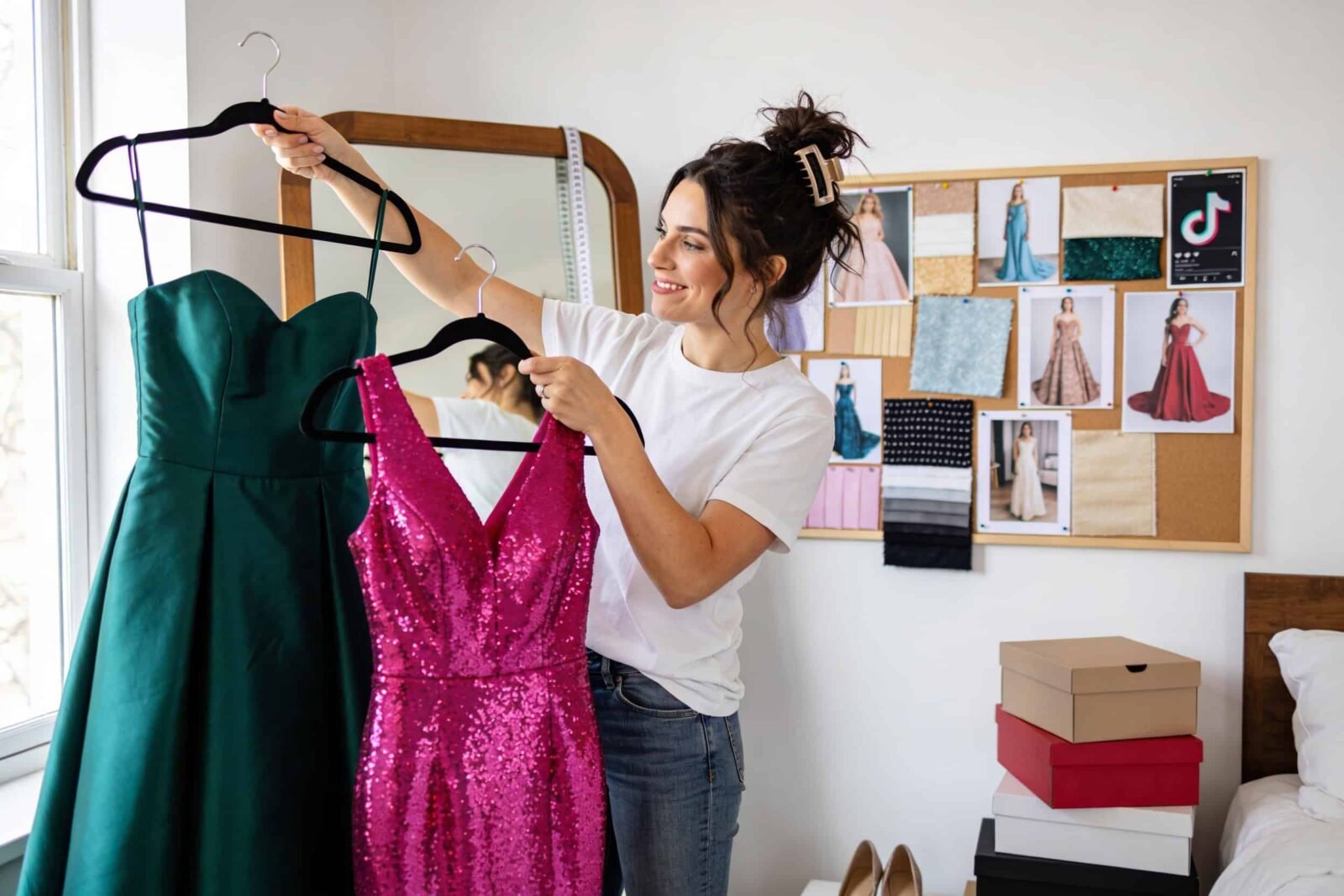
The Prom Dress Mistakes Nobody Warns You About
Here’s the truth about prom dress shopping that nobody tells you until it’s too late: that gorgeous gown on your TikTok saved folder might photograph beautifully on someone else and feel completely wrong on you. The dress you fell in love with online might arrive two sizes too small. And the $400 dress you panic-bought three weeks before prom? It’ll need another $150 in rush alterations.
I’ve watched this cycle happen every single prom season, and I’m done letting it happen to you. Whether this is your first time shopping for prom or you’re helping a daughter or younger sister, these 9 insider tips will save you money, stress, and that sinking “I should’ve picked the other one” feeling. Consider this your honest prom dress cheat sheet — backed by real pricing data, stylist advice, and timing strategies that actually work.
How I Put This Guide Together
Every tip here is based on real 2026 pricing from retailers like Lulus, Windsor, Sherri Hill, Jovani, ASOS, and Nordstrom; expert advice from prom styling guides by Faviana, Sherri Hill, and The Dress Outlet; actual alteration costs confirmed across multiple sources; and timeline data from Jovani’s 2026 prom planning guide. No vague advice — just specific, actionable information.
9 Insider Tips That Will Change Your Prom Shopping
1. Start Shopping 3–4 Months Before Prom — Not 3 Weeks

Why this matters: According to Jovani’s 2026 planning guide, the ideal shopping window is February to March for a May prom. Popular sizes sell out fast — especially in trending styles like corset bodices and sequin gowns. Waiting until April means limited stock, no time for alterations, and rush shipping fees that can add $50+ to your total.
The insider timeline: 4–5 months out: Browse and build your mood board. Don’t buy yet — just figure out what silhouettes and colors you’re drawn to. 3 months out: Make your decision and order. This gives you 6–8 weeks for alterations. 6 weeks before: First fitting with your actual prom shoes (not ones you “might” get). 2 weeks before: Final fitting and pickup.
Price impact: Rush alterations cost nearly double. A standard hem costs $20–$50; a rush hem costs $60–$100+.
2. Know Your Real Budget — Including the Hidden Costs
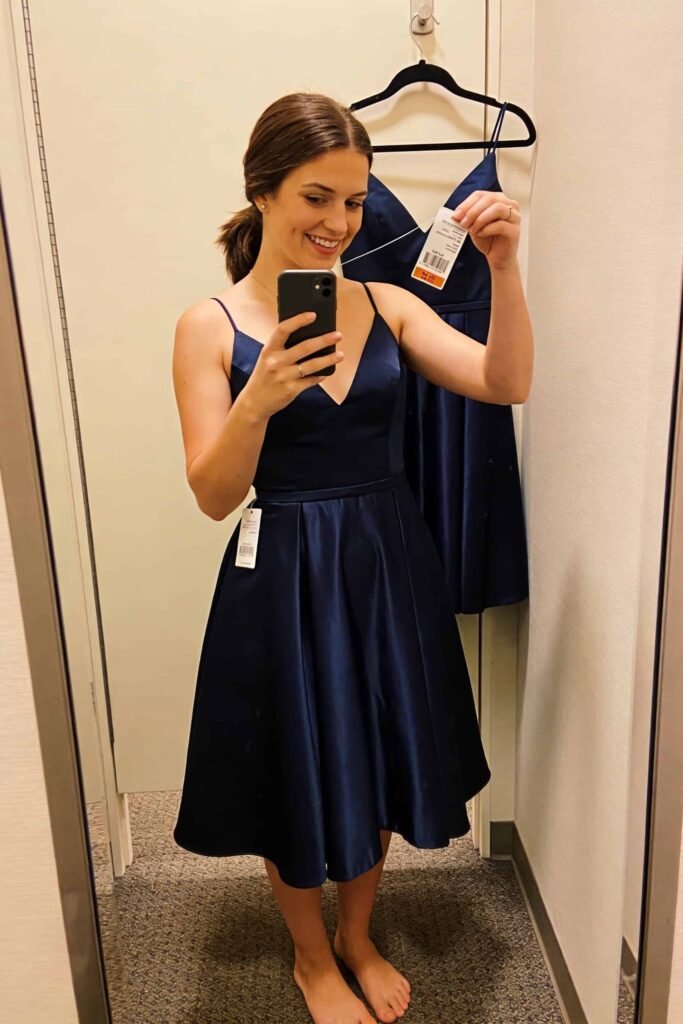
Why this matters: The national average for a prom dress in 2026 is $250–$550, but the dress is only part of the cost. Most first-time prom shoppers forget to budget for alterations, shoes, accessories, hair, and makeup — which can easily add $200–$400 on top of the dress.
The real cost breakdown:
Budget prom dresses (Lulus, Windsor, ASOS): $49–$150. Mid-range (Faviana, Mac Duggal, boutique brands): $250–$500. Designer (Sherri Hill, Jovani): $400–$1,100+. Alterations: $20–$200 depending on complexity. Shoes: $30–$100. Accessories (jewelry, bag, hair pieces): $20–$60. Hair and makeup: $50–$150.
Insider tip: Set your dress budget at 50–60% of your total prom budget, and leave the rest for alterations and styling. A $120 Lulus dress with great alterations and styling will photograph better than a $600 dress that doesn’t fit right.
3. Prom Sizing Is Not Your Regular Size — Always Measure First
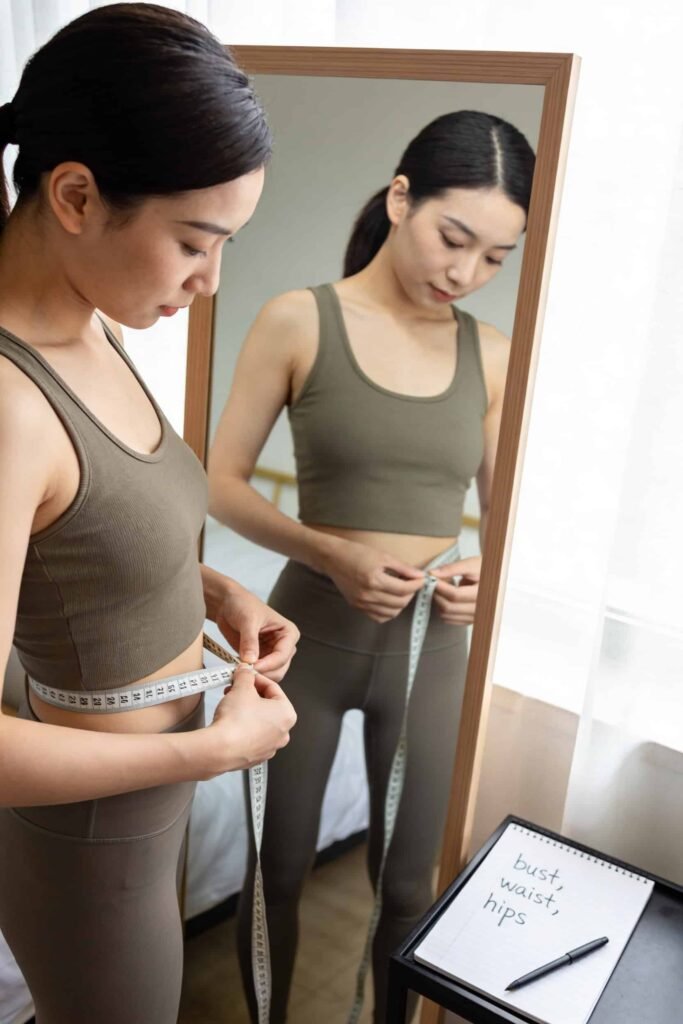
Why this matters: Formal dress sizing runs 1–2 sizes smaller than your everyday clothes. A size 6 in jeans could easily be a size 8 or 10 in prom dresses. Every brand uses a different size chart, and ordering the wrong size is the number one reason for prom dress returns.
What to do: Get a soft measuring tape and measure three things: bust (at the fullest point), waist (at the smallest point, usually above the belly button), and hips (at the widest point). Compare these numbers to the specific brand’s size chart — not a generic one. If you’re between sizes, always size up. It’s far easier and cheaper to take a dress in than to let it out.
The $10 hack: Azazie charges $10 for try-on samples. Lulus and ASOS both have free return policies. Use them. Order two sizes, return the one that doesn’t work.
4. Choose Your Silhouette by Comfort, Not Just Looks
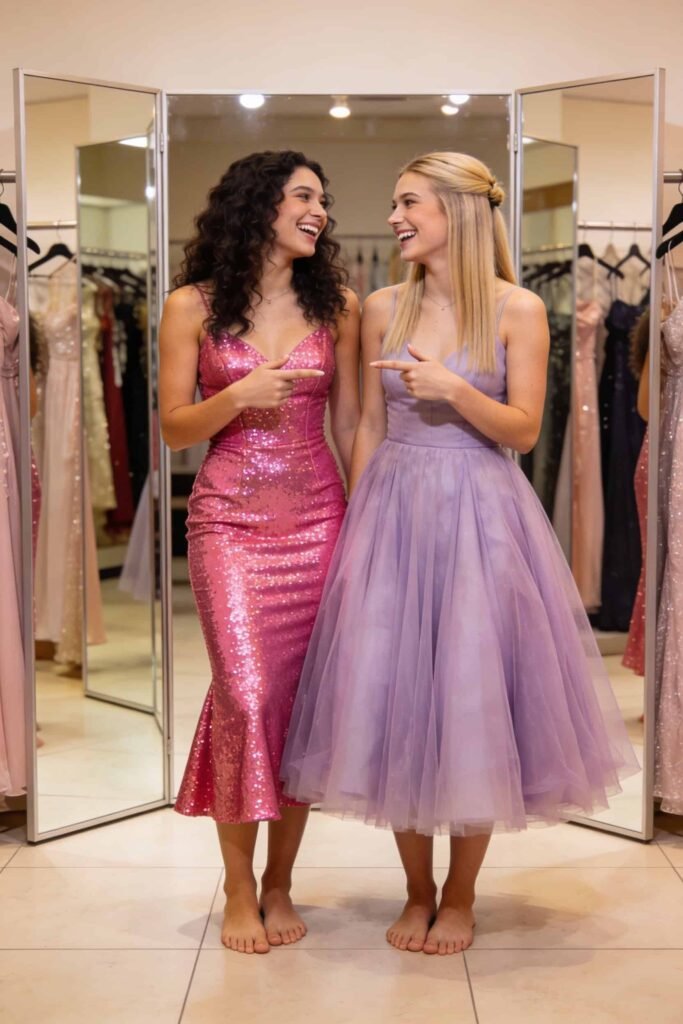
Why this matters: You’re wearing this dress for 4–6 hours straight — standing, sitting, dancing, eating. That stunning mermaid gown? It’s nearly impossible to dance in. That massive ball gown? You’ll spend half the night navigating bathroom logistics and car doors.
The honest silhouette guide:
A-line: Flatters virtually everyone. Easy to move in, easy to dance in, minimal alterations needed. This is the “safe bet” that never looks boring. Mermaid/trumpet: Gorgeous in photos, but restrictive below the knee. Best if your prom is more seated/formal and less dancing. Ball gown: Maximum drama, but heavy. Jovani’s 2026 ball gowns use lighter tulle and smarter underlayers to reduce weight — ask about fabric when shopping. Fitted/column: Sleek and modern, but shows everything. Seamless undergarments are non-negotiable. Corset bodice: The most-searched prom style of 2025–2026 (searches up 210% according to Mondressy). Provides built-in support and shape — many girls skip the strapless bra entirely.
5. Fabric Determines How Your Dress Photographs
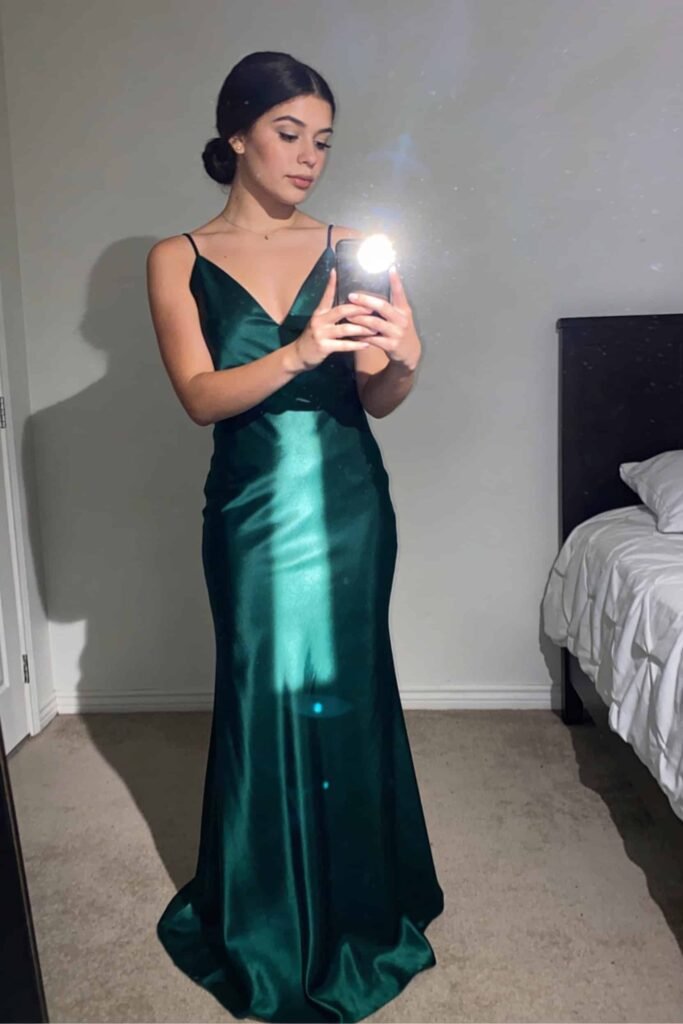
Why this matters: The fabric of your prom dress affects everything — how it looks in photos, how it feels on your skin, and how it holds up through a long night of dancing. A cheap satin in a light color will show every wrinkle and seam in flash photography. A dark satin looks dramatically more expensive.
The fabric cheat sheet:
Satin: Extremely photogenic in dark shades. Shows water spots and wrinkles in light colors — if you want light satin, steam it right before the event. Chiffon: Lightweight and moves beautifully, but delicate. Avoid if you tend to snag jewelry on fabric. Tulle: Creates volume and the “fairytale” effect. Quality matters hugely — cheap tulle feels scratchy. Sequins: Maximum sparkle and impact, but heavy and can scratch your dance partner’s arms. Ask about the lining. Jersey/stretch: The most comfortable option — feels like a t-shirt but looks formal. Can be clingy, so shapewear is recommended.
Insider tip from The Dress Outlet: Dark colors (black, navy, emerald) photograph better than pastels on most cameras and phone flashes. If photo quality matters to you, lean toward rich, saturated tones.
6. Don’t Skip Alterations — They’re the Secret to Looking Expensive
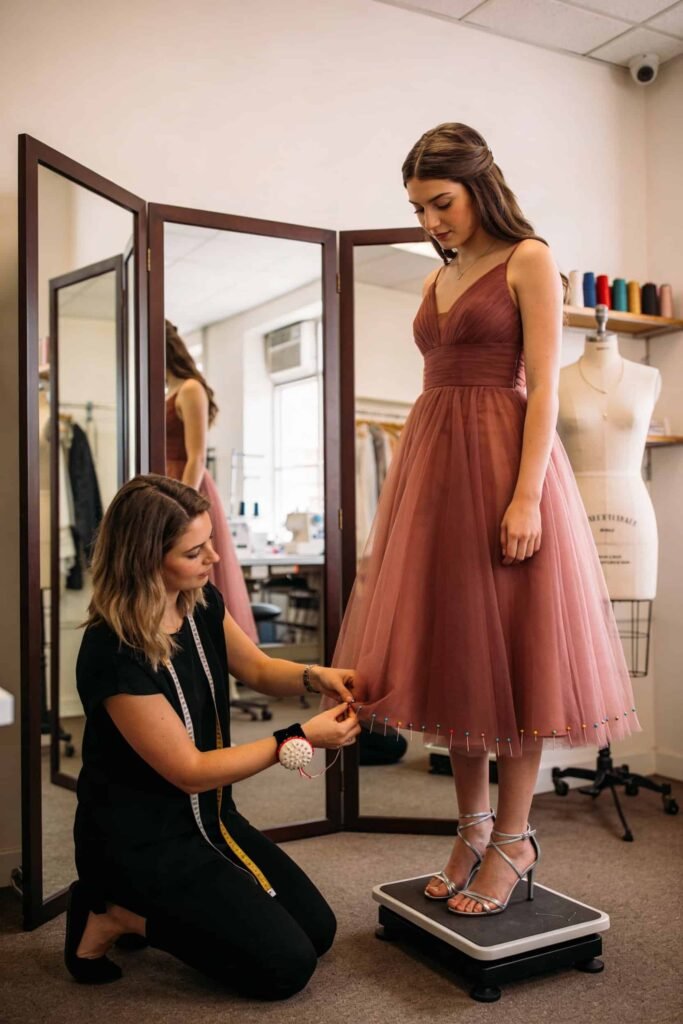
Why this matters: Almost nobody is perfectly sized for formal wear off the rack. The difference between a dress that looks “fine” and one that looks like it was made for you is a $40–$100 alteration. The most important alteration? The hem. A perfect hem length (just barely skimming the floor when you’re in your heels) makes every dress look three times more expensive.
What alterations typically cost in 2026:
Simple hem: $20–$50. Hem on a multi-layer dress (tulle, sequin): $75–$150. Taking in the bodice: $30–$80. Adjusting straps: $15–$30. Adding cups or boning: $20–$50.
Critical timing: Book your seamstress at the same time you order your dress. During prom season, good alterations tailors get booked out 3–4 weeks in advance. Bring your actual shoes to every fitting — heel height changes the hem measurement entirely.
7. Check the Return Policy Before You Checkout
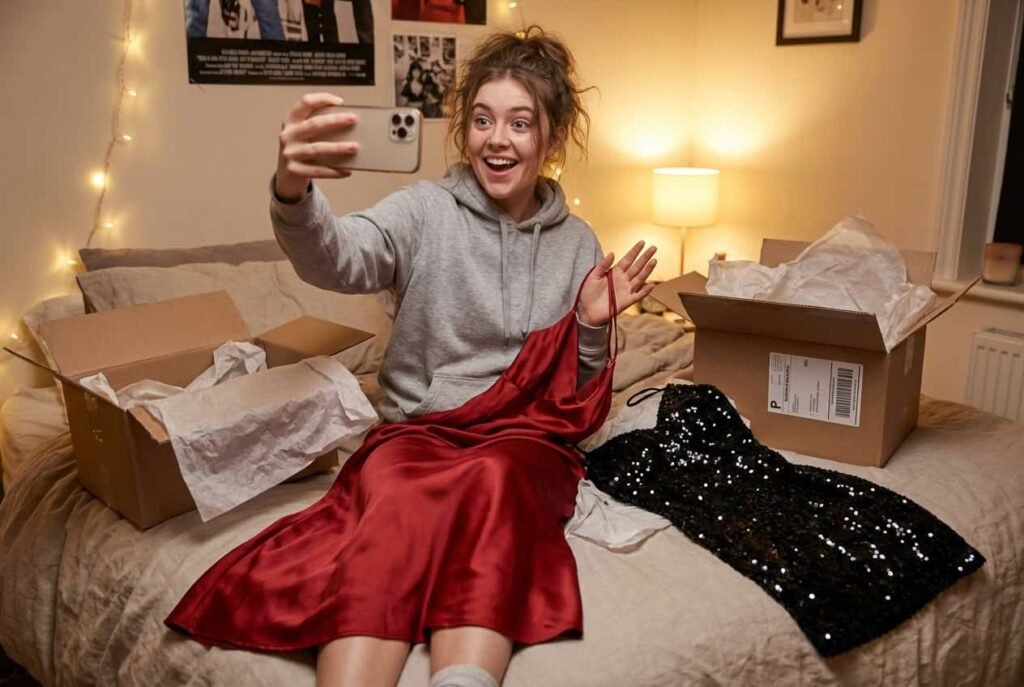
Why this matters: Many online prom dress retailers have strict return policies — some only offer store credit, some charge restocking fees, and some mark prom dresses as “final sale.” Getting stuck with a $300 dress that doesn’t fit and can’t be returned is a nightmare you can avoid.
The return policy cheat sheet:
Lulus: Free returns within 10 days, full refund. One of the most flexible policies. ASOS: Free returns within 28 days. Excellent for trying multiple sizes. Revolve: Free returns within 30 days. Nordstrom: Very generous return policy with free returns. Windsor: Final sale on some styles — check before buying. Sherri Hill / Jovani: Purchased through authorized retailers; policies vary by store. Always confirm before buying. Amazon: Easy returns on most styles within 30 days. Check individual seller policies.
Insider tip: If you’re ordering online and unsure about sizing, order two sizes from a retailer with free returns. Try both at home, return the one that doesn’t work. This costs you nothing and saves you from alteration headaches.
8. Your Undergarments Can Make or Break the Look
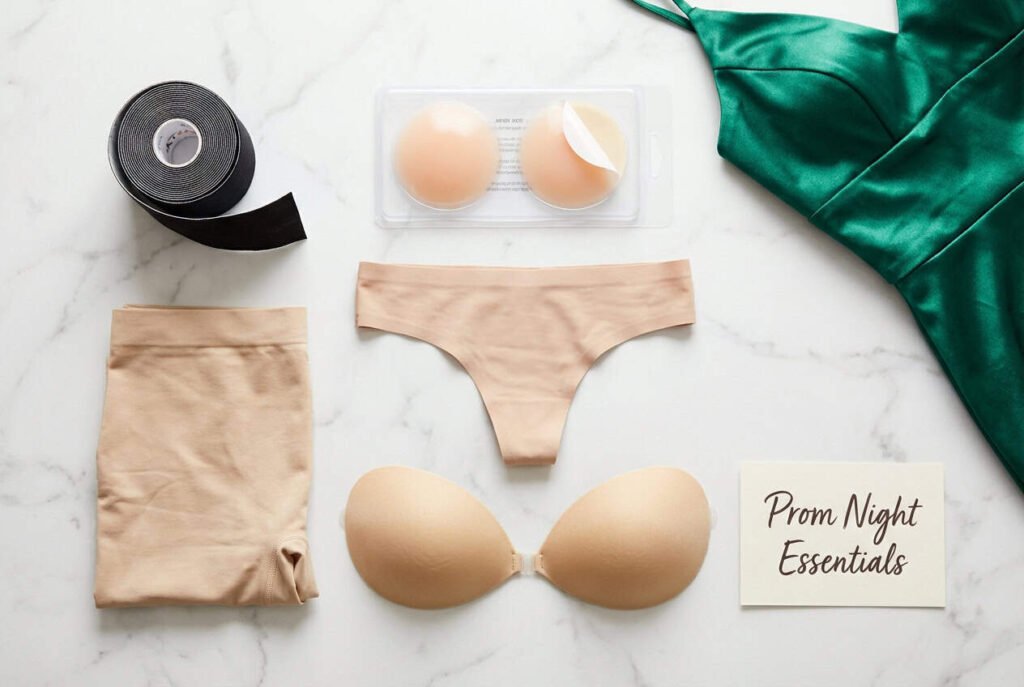
Why this matters: This is the tip every prom guide skips, and it’s one of the most important. The wrong bra, visible panty lines, or the wrong shapewear color ruins even the most expensive dress.
What you need based on your dress:
Strapless/corset: Sticky bra or boob tape (Goodlines and KT Tape are popular). Many corset bodices have built-in support — try the dress without a bra first. Backless: Adhesive cups or silicone nipple covers. Test them a day before prom to check hold. Satin or fitted: Seamless thong in your skin tone (not nude — YOUR skin tone). Seamless shapewear shorts if you want extra smoothing. Tulle or ball gown: Standard strapless bra works since the volume hides everything.
Test everything: Wear your full undergarment setup at your final fitting. Dance in front of the mirror. Raise your arms. Sit down. If anything shifts, adjusts, or shows, fix it before prom night.
9. Accessories and Shoes — Choose Them Before the Final Fitting
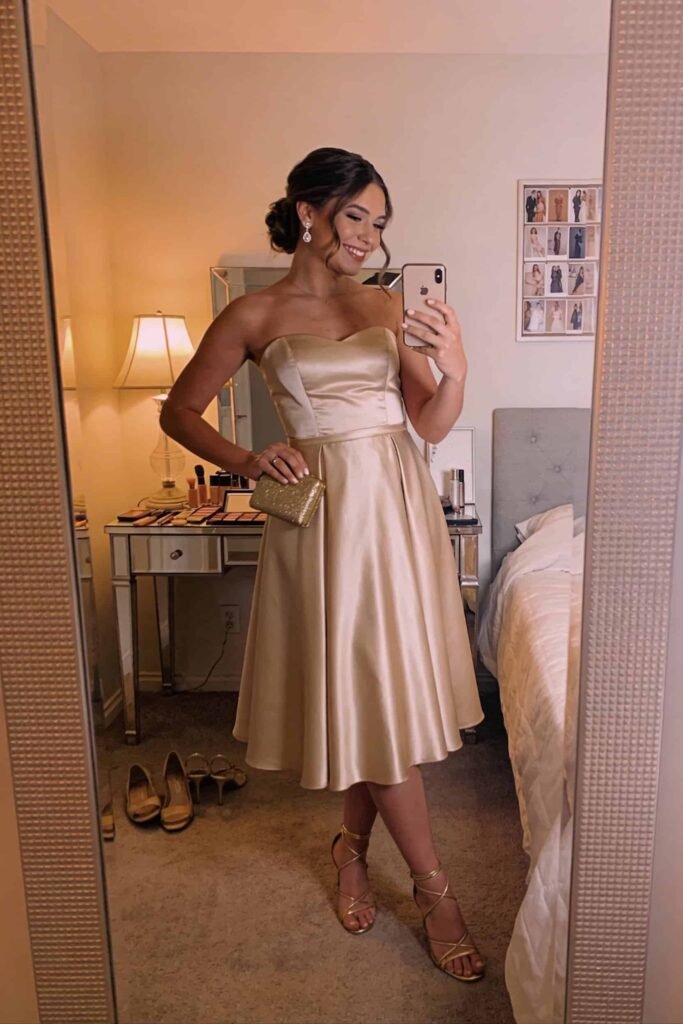
Why this matters: Your shoes affect your hem length. Your jewelry affects your neckline choice. Your bag size affects where you put your phone all night. Deciding these after the dress is purchased leads to mismatched styling and last-minute panic buys.
The insider accessory formula:
Shoes: Buy or borrow them before your first alteration fitting. Heel height determines your perfect hem. Break them in at home for at least two evenings before prom — blisters are not a vibe. Jewelry: Less is more. If your dress has a busy neckline (sequins, embroidery, corset detail), skip the necklace and go with earrings only. If your dress is simple, one statement piece (earrings OR necklace) elevates everything. Bag: A small clutch or wristlet is all you need. It should fit your phone, lipstick, and ID — nothing else. The smaller the bag, the more elegant the look. Hair: Decide your hairstyle before the final fitting so you know how it’ll interact with your neckline, straps, and earrings. Updo with a strapless dress. Hair down with a high-neck dress. Always test the look together.
Quick-Reference Prom Budget Planner
Under $200 total look: Dress from Lulus or ASOS ($49–$150) + basic alterations ($20–$50) + shoes you already own + borrowed jewelry. Smart and beautiful.
$200–$500 total look: Mid-range dress from Faviana or a boutique ($250–$500) + professional alterations ($50–$100) + new shoes ($50) + accessories ($30). The sweet spot.
$500+ total look: Designer dress from Sherri Hill or Jovani ($400–$1,100) + professional alterations ($75–$200) + heels ($60–$100) + accessories + hair and makeup. The full experience.
Save This Guide and Share It With Your Squad
That’s the honest, no-fluff prom shopping cheat sheet I wish someone had given me. Whether you’re spending $100 or $1,000, these 9 tips will make sure you feel confident, look incredible, and avoid every common mistake.
Pin this post to your prom planning board, send it to your group chat, and follow me for more styling guides. Which tip surprised you the most? Tell me in the comments — I love hearing from you!
